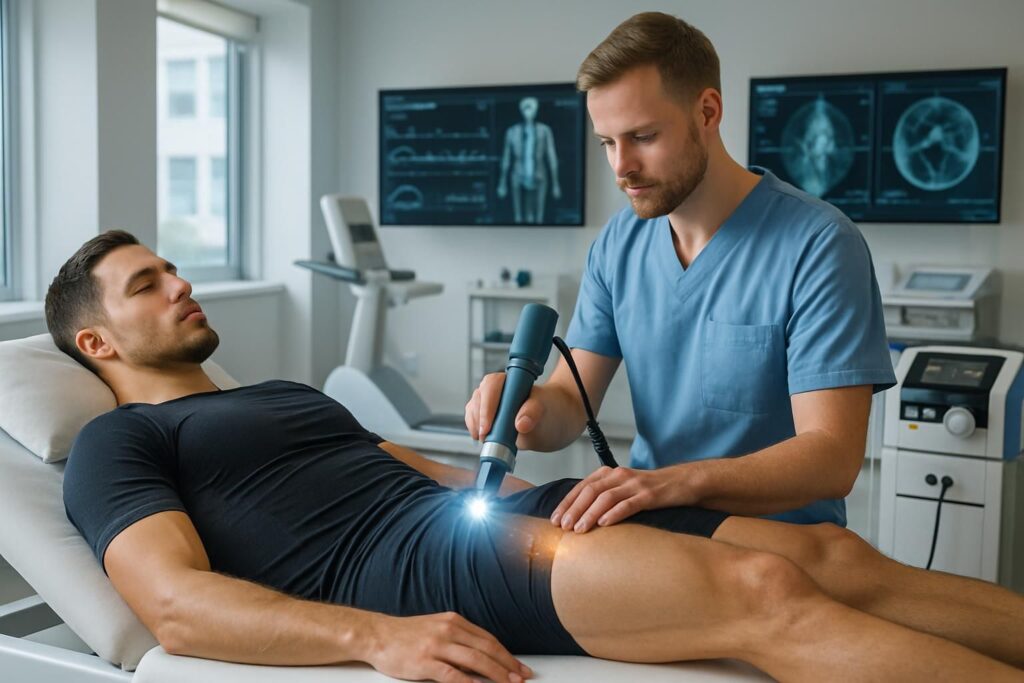
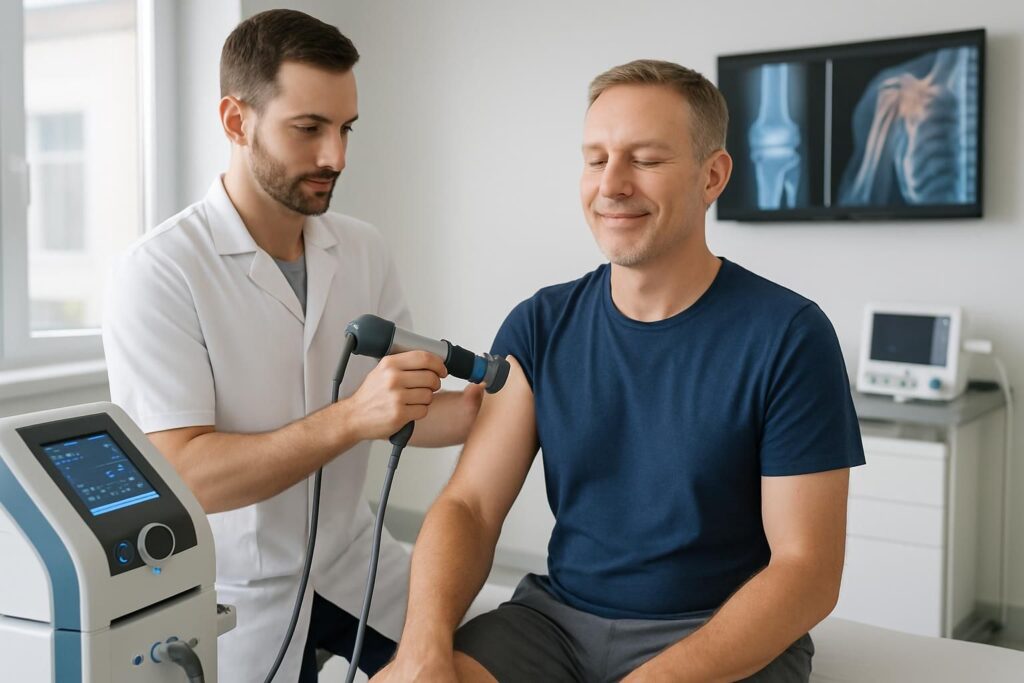
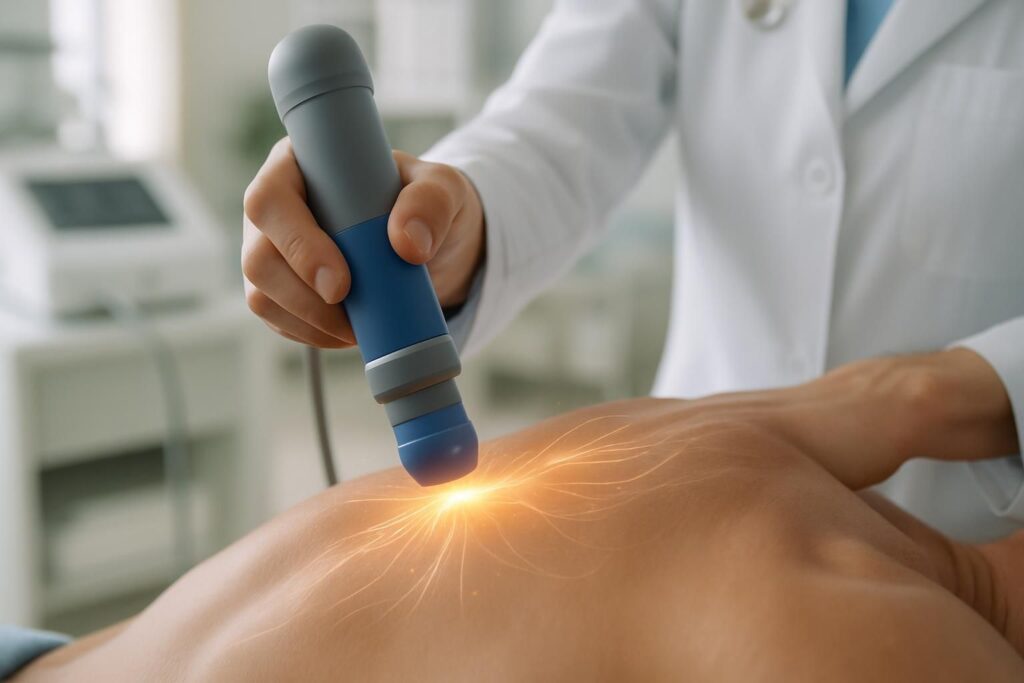
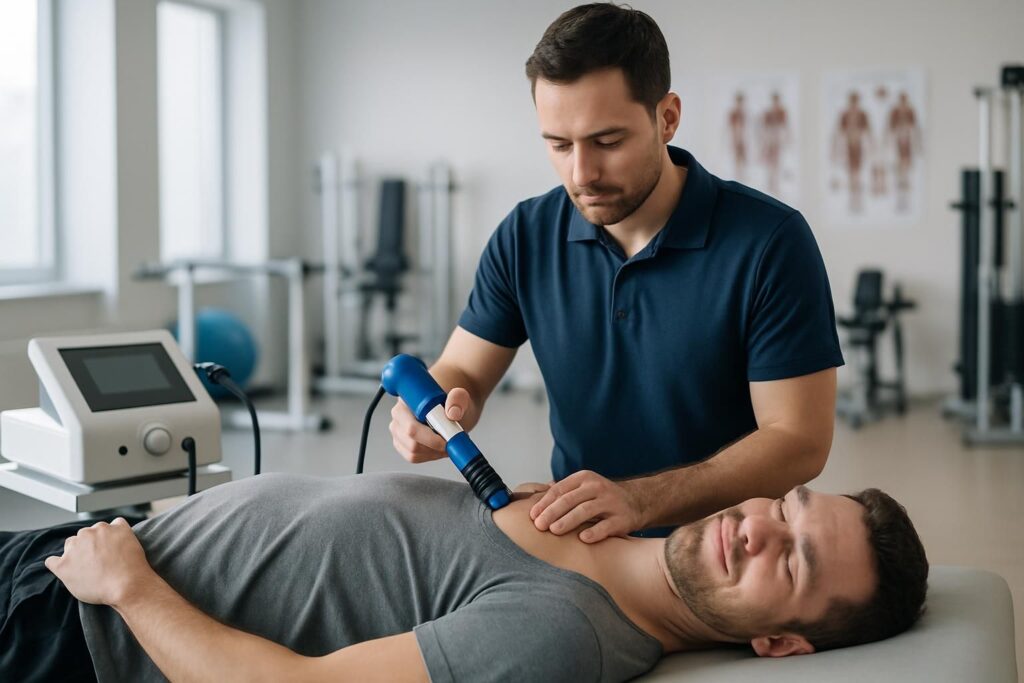
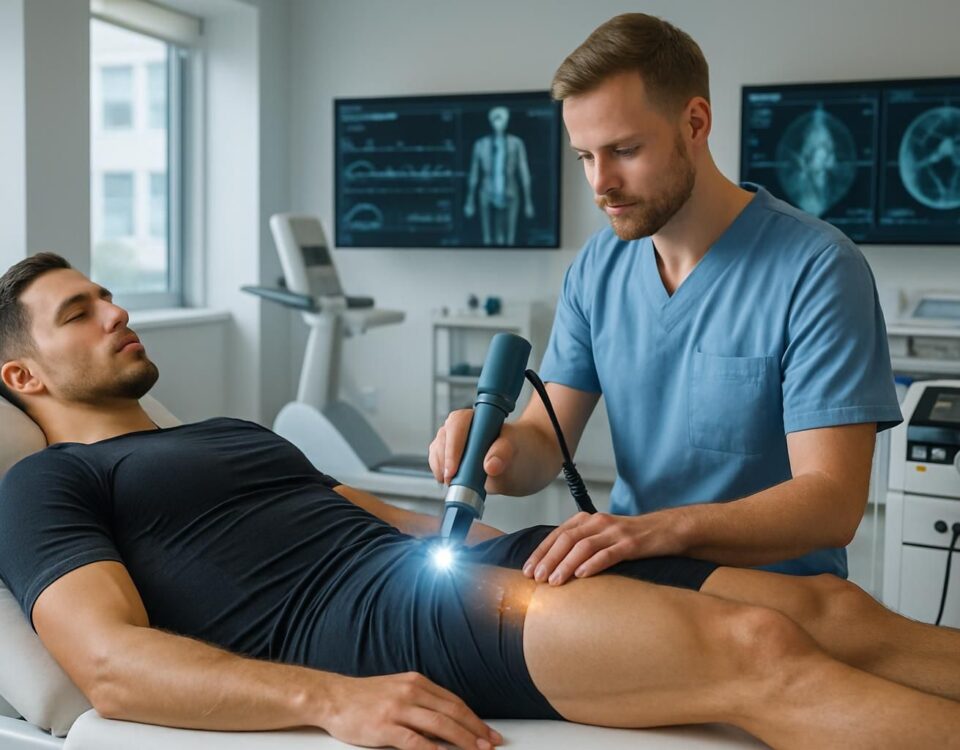
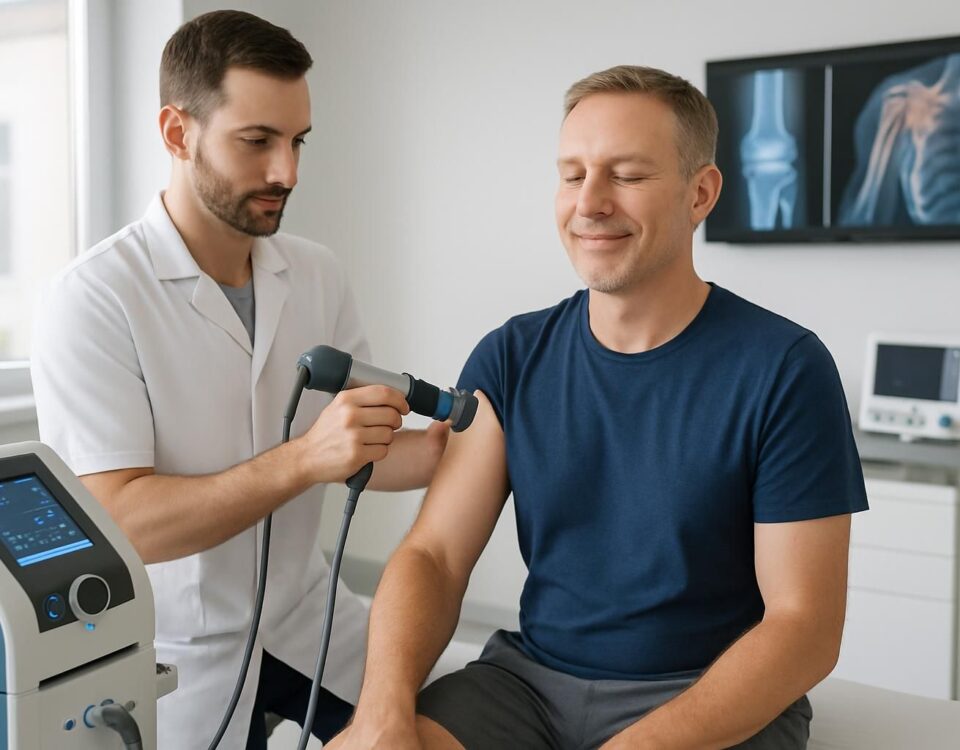
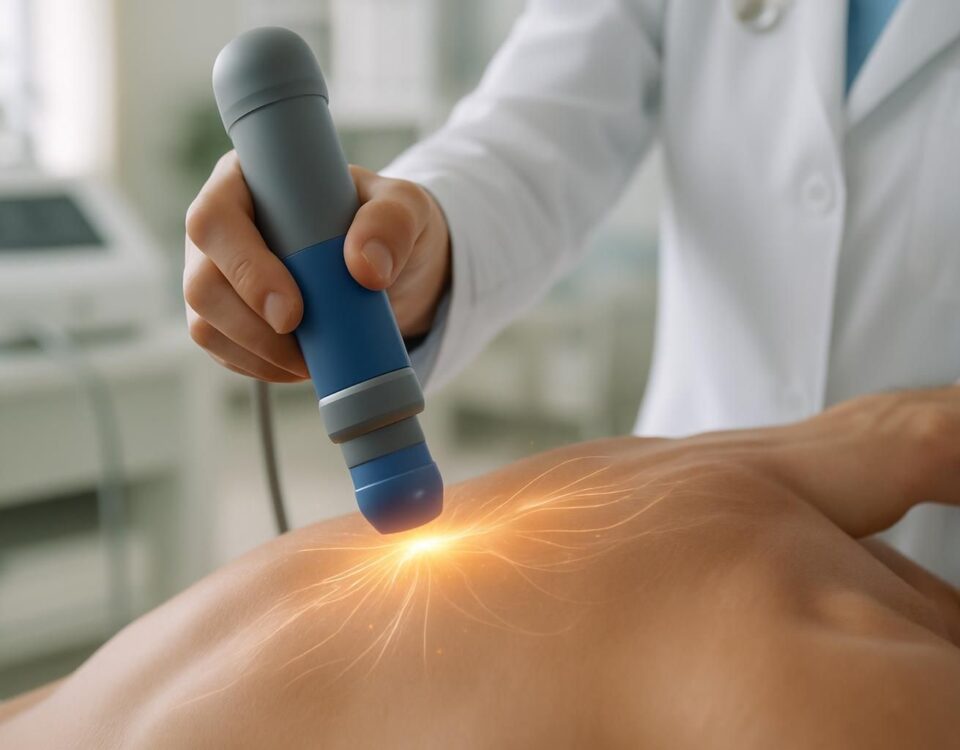
Découvrez notre podcast « Traitement des Blessures Sportives par la Thérapie de Shockwave » sur blessures-sportives.com, un rendez-vous audio dédié aux approches innovantes pour traiter les lésions sportives. […]
La thérapie par ondes de choc, ou shockwave therapy, a émergé comme une solution novatrice pour répondre aux défis posés par les blessures sportives. Ce traitement non invasif exploite des ondes acoustiques à haute énergie pour cibler les tissus affectés, offrant une alternative significative aux traitements conventionnels. En 2026, la pertinence de cette méthode est plus évidente que jamais avec des études montrant son efficacité dans la gestion de douleurs chroniques et la promotion de la guérison.
La douleur liée à des blessures musculo-squelettiques constitue souvent un frein majeur pour les athlètes, qu’ils soient amateurs ou professionnels. La thérapie par ondes de choc se distingue par sa capacité à stimuler le processus de guérison naturel du corps, aidant ainsi à réduire à la fois la douleur et l’inflammation. À titre d’exemple, des études montrent que cette approche peut réduire le temps nécessaire à la récupération après des blessures telles que les tendinites.
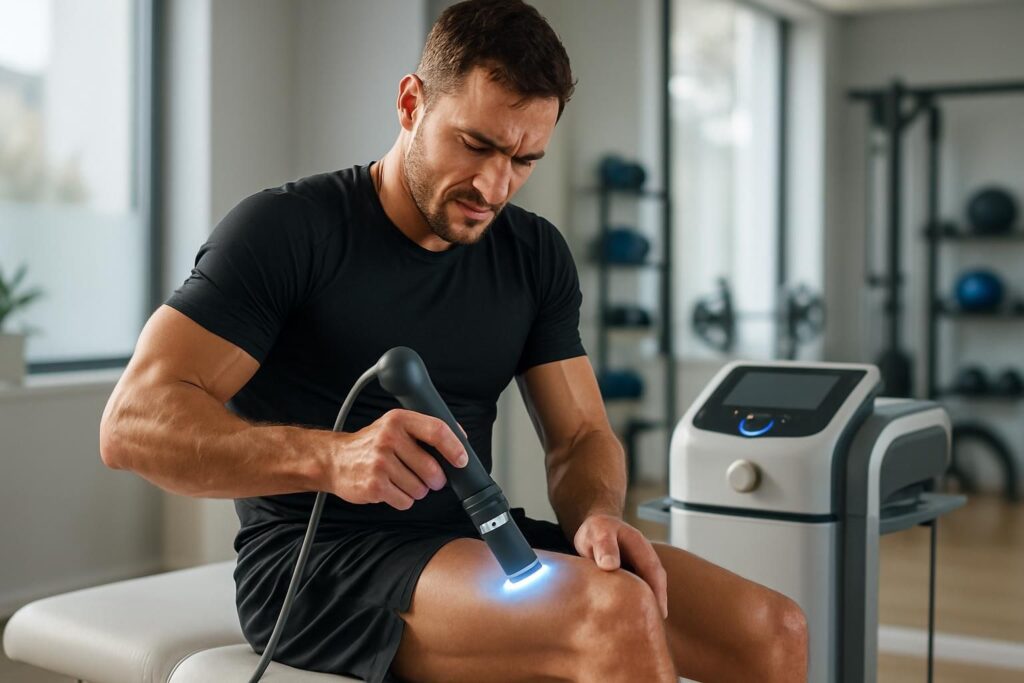
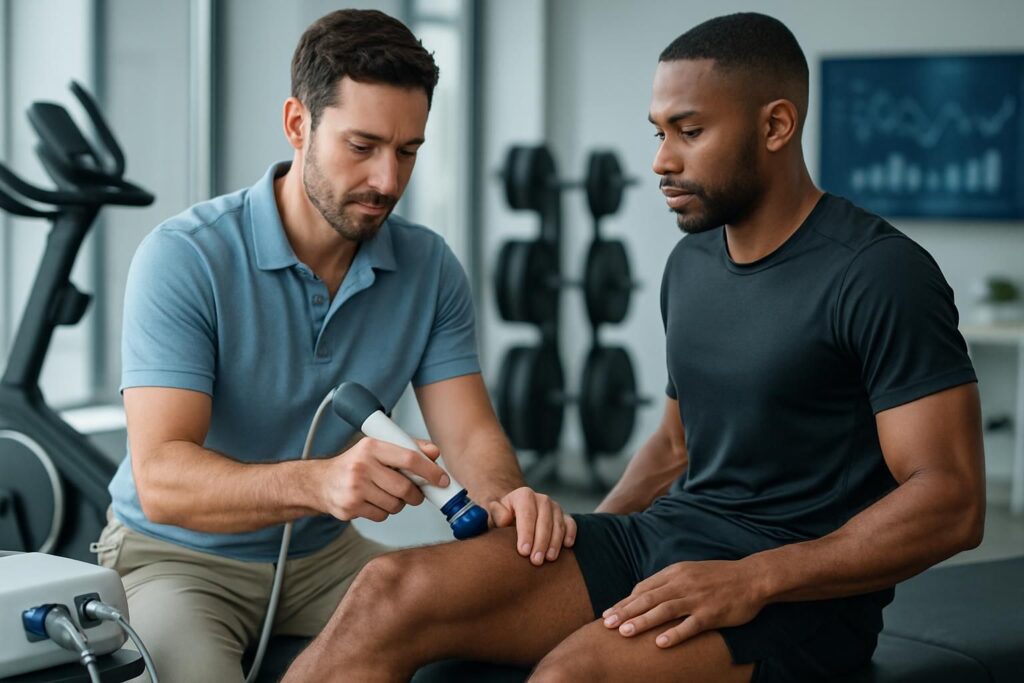
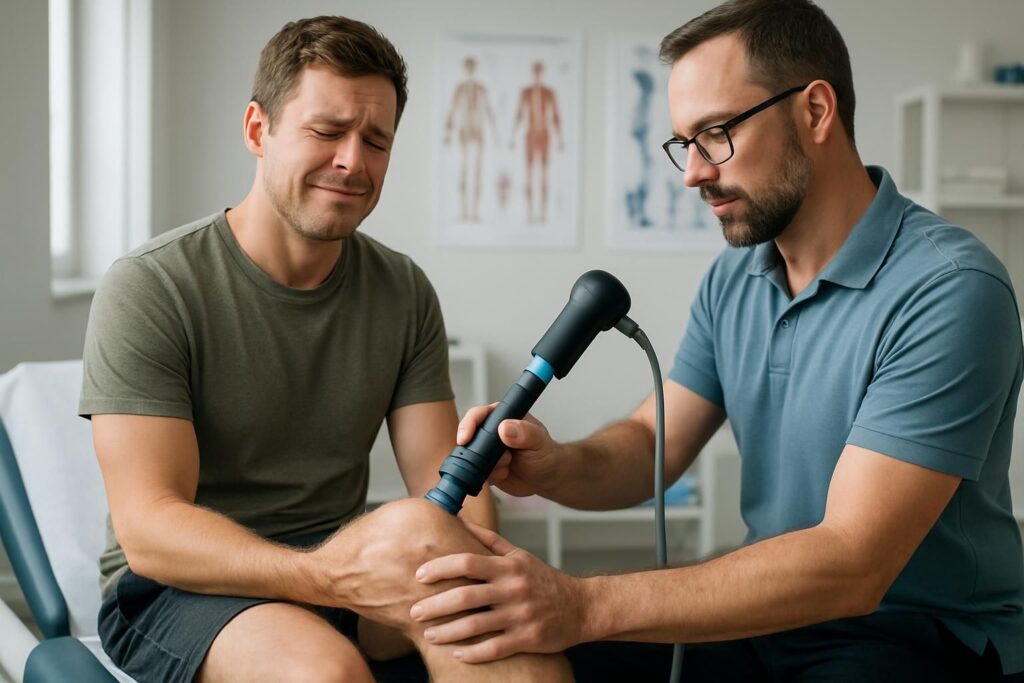
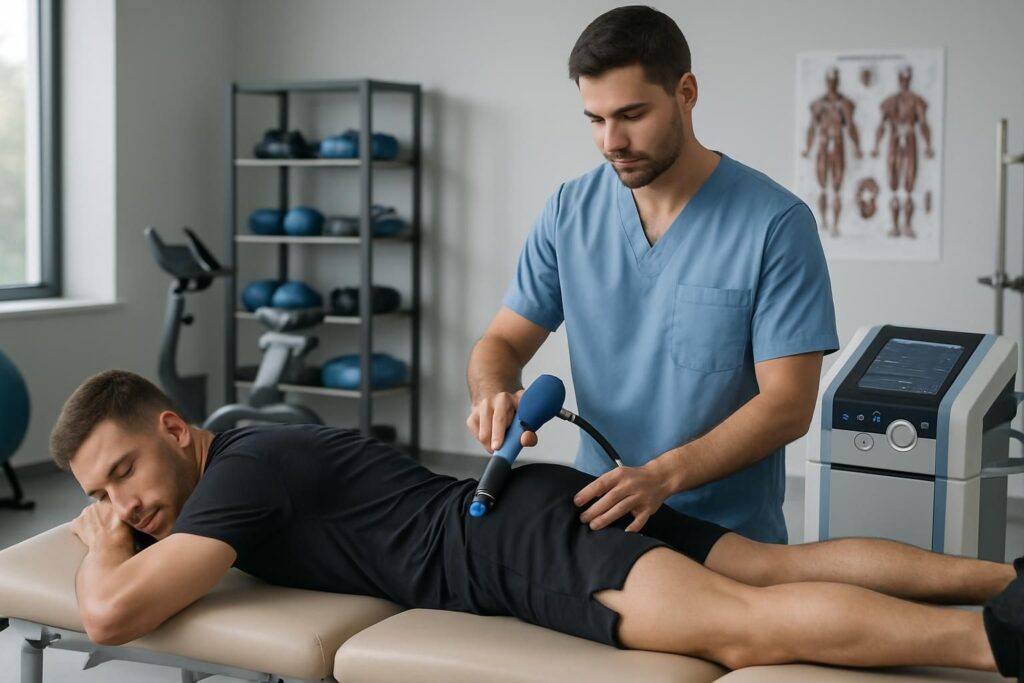
Les ondes de choc sont générées par un appareil qui délivre des impulsions acoustiques au tissu endommagé. Ces ondes provoquent des microtraumatismes contrôlés, activant ainsi une réponse inflammatoire positive qui est essentielle pour la réparation tissulaire. En augmentant la circulation sanguine vers la zone affectée, la thérapie favorise la guérison en apportant des nutriments et de l’oxygène, crucial pour le processus de régénération.
La réduction de l’inflammation est un autre bénéfice majeur de la thérapie par ondes de choc. Lorsque les tissus sont stimulés par les impulsions acoustiques, cela entraîne une diminution des marcments inflammatoires, soulagant ainsi la douleur et permettant aux athlètes de reprendre leurs activités plus rapidement. Les résultats cliniques ont démontré que jusqu’à 80 % des patients souffrant de pathologies chroniques rapportent une amélioration après quelques séances.
Tendinites : Une des indications les plus courantes, notamment la tendinite d’Achille et la tendinite rotulienne, où les résultats se montrent rapidement positifs.Épicondylite : Ce type de douleur, souvent rencontré chez les athlètes, bénéficie également de cette thérapie, permettant un retour rapide à la performance.Calcifications : Les épaules et les articulations peuvent être traitées efficacement, réduisant ainsi la douleur et améliorant la fonctionnalité.Pour en savoir plus sur les techniques innovantes disponibles, visitez ce site qui présente des approches intégrées de la thérapie par ondes de choc.
Dans le cadre de la réhabilitation des blessures sportives, la thérapie par ondes de choc joue un rôle prépondérant. Les sportifs cherchent non seulement à soulager la douleur mais aussi à restaurer des performances optimales. En effet, les séances de thérapie permettent souvent aux athlètes de revenir à une activité compétitive dans un délai réduit, tout en minimisant les risques de récidive des blessures.
Une étude récente a révélé que les athlètes ayant bénéficié de traitements par ondes de choc présentaient un taux de récurrence de blessures de 30 % inférieur par rapport à ceux traités par des méthodes traditionnelles. L’intégration de cette méthode dans les protocoles de réhabilitation apporte une valeur ajoutée significative, garantissant non seulement une guérison rapide, mais également un retour progressif en douceur aux performances maximales.
Un programme typique de traitement par ondes de choc inclut généralement 3 à 5 séances, espacées sur plusieurs semaines. Chaque séance dure entre 20 et 30 minutes. Les cliniques proposent souvent des évaluations personnalisées pour adapter les paramètres du traitement à chaque patient, optimisant ainsi les résultats.
Les avantages de cette thérapie incluent son faible taux d’effets secondaires, rendant son utilisation très sûre pour la plupart des patients. Cela permet également d’éliminer la nécessité d’interventions chirurgicales coûteuses et invasives, apportant un soulagement sans les risques associés.
De nombreuses études cliniques soutiennent l’efficacité de la thérapie par ondes de choc dans le traitement des blessures musculo-squelettiques. Par exemple, une étude de 2025 a mis en évidence une réduction significative des douleurs chez les athlètes traités pour des tendinites, comparativement à ceux qui n’avaient pas reçu ce traitement. Les résultats concernant les taux de réussite montrent des améliorations notables pour des pathologies spécifiques lors de l’application de cette thérapie.
Type de blessure Taux de douleur après traitement Amélioration fonctionnelle Tendinite d’Achille 30% 40% Tendinite rotulienne 25% 45% Épicondylite 20% 50%
Pour approfondir ces aspects prouvés, il peut être utile de se référer à des études telles que celles publiées sur ce lien .
Approches intégrées en shockwave pour optimiser le retour à l’effort
Pourquoi les approches intégrées en shockwave sont essentielles pour la réhabilitation sportive Dans le monde du sport et de la médecine physique, l’importance des approches intégrées en shockwave est de plus en plus reconnue. Ces méthodes innovantes combinent la thérapie…
La prévention des blessures est un enjeu majeur dans le domaine du sport. Les athlètes sont souvent confrontés à des blessures récurrentes qui peuvent compromettre leur carrière ou leur performance. Grâce à la thérapie par ondes de choc, il est possible d’anticiper ces problèmes en renforçant les tissus musculaires et en favorisant une meilleure circulation sanguine. Cela contribue non seulement à optimiser la récupération, mais aussi à réduire le risque de lésion future.
Les études indiquent que les athlètes utilisant régulièrement la thérapie par ondes de choc rapportent une sensation de solidité accrue au niveau de l’articulation, résultant en une performance sportive améliorée. Ainsi, l’approche innovante que représente la shockwave dans la réhabilitation et la prévention des blessures reflète une tendance positive dans la gestion de la santé sportive.
La thérapie par ondes de choc commence à être intégrée dans les protocoles de soin de manière systématique à travers diverses disciplines sportives. À mesure que la recherche continue d’évoluer, les professionnels de la santé recommandent de plus en plus l’adoption de cette méthode afin d’optimiser les résultats de réhabilitation.
En conclusion, la thérapie par ondes de choc s’affirme comme un outil indispensable pour les professionnels de la santé, offrant des résultats prometteurs pour la récupération des sportifs. Pour suivre les dernières innovations et découvertes, visitez ce site qui explore des approches innovantes en shockwave therapy.
Quels types de lésions sont traités par cette méthode ?
Elle est utilisée pour traiter les lésions tendineuses, les calcifications et les inflammations localisées résultant d’un traumatisme sportif.
Peut-elle être utilisée pour traiter les tendinopathies ?
Absolument, elle est particulièrement efficace pour traiter les tendinopathies en stimulant la régénération des fibres tendineuses.
La thérapie par ondes de choc est-elle une méthode de traitement éprouvée ?
De nombreuses études cliniques attestent de son efficacité dans le traitement des blessures sportives, faisant de cette technique une option fiable et éprouvée.
Quels conseils donner pour adapter le traitement en cas d’évolution des symptômes ?
Des évaluations régulières permettent d’ajuster le nombre et la fréquence des séances en fonction de la réponse individuelle au traitement.
Quels retours d’expérience observe-t-on chez les patients traités par cette technique ?
La plupart des patients rapportent une réduction notable de la douleur et une amélioration durable de la fonction, leur permettant de reprendre leurs activités sportives.
Quelle est la durée d’une séance typique ?
Une séance dure généralement entre 10 et 30 minutes, selon le protocole défini par le spécialiste.
La thérapie par ondes de choc améliore-t-elle la circulation locale ?
Oui, le traitement stimule la microcirculation, ce qui aide à apporter des nutriments essentiels aux tissus endommagés.
La thérapie par ondes de choc peut-elle être utilisée en complément d’un traitement chirurgical ?
Oui, elle est souvent intégrée dans le suivi post-opératoire pour favoriser une récupération plus rapide et améliorer la fonction des tissus traités.
La procédure est-elle compatible avec un suivi médical régulier ?
Oui, la thérapie par ondes de choc peut être intégrée dans un plan de suivi médical pour surveiller l’évolution de la guérison et ajuster le traitement si nécessaire.
La thérapie par ondes de choc permet-elle de réduire l’inflammation ?
Oui, en stimulant la régénération cellulaire, elle aide à réduire l’inflammation au niveau des tissus endommagés.
Quels sont les paramètres ajustables lors d’une séance de thérapie par ondes de choc ?
Les paramètres tels que l’intensité, la fréquence et la durée d’exposition peuvent être modulés pour s’adapter à la profondeur et à la nature de la blessure.
Comment les patients peuvent-ils intégrer ce traitement dans leur suivi de santé ?
Ils peuvent l’adopter comme une composante régulière de leur suivi médical pour maintenir la santé des tissus et prévenir la réapparition de douleurs.
La thérapie par ondes de choc est-elle adaptée pour traiter les douleurs articulaires ?
Oui, elle est efficace pour atténuer la douleur dans les articulations affectées par des lésions ou une inflammation chronique.
Qu’est-ce que la thérapie par ondes de choc ?
C’est une méthode non invasive qui utilise des ondes acoustiques à haute énergie pour stimuler la guérison des tissus endommagés.
Comment fonctionne la thérapie par ondes de choc ?
Elle agit en générant des ondes de choc qui créent de microtraumatismes contrôlés, favorisant ainsi la régénération cellulaire et la réduction de l’inflammation.
Quels sont les bénéfices de la photobiomodulation dans ce traitement ?
La photobiomodulation permet d’influencer positivement les fonctions cellulaires, favorisant la réparation des tissus et réduisant la douleur de manière naturelle.
Peut-on observer des améliorations dès la première séance ?
Certaines personnes ressentent une amélioration dès la première séance, mais un traitement complet nécessite généralement plusieurs séances.
La thérapie par ondes de choc peut-elle traiter les calcifications ?
Oui, elle aide à réduire les calcifications en favorisant la dissolution des dépôts et en stimulant la réparation tissulaire.
Quelles études soutiennent l’efficacité de cette thérapie ?
De nombreuses études cliniques démontrent que la thérapie par ondes de choc est efficace pour réduire la douleur et améliorer la fonction des tissus endommagés chez les sportifs.
La thérapie par ondes de choc est-elle sûre ?
Oui, lorsqu’elle est administrée par un professionnel qualifié, elle est considérée comme une technique sûre avec des effets secondaires minimes.
Références 722490
7J2MREBC
1
apa
20
default
1
62949
https://www.blessures-sportives.com/wp-content/plugins/zotpress/
%7B%22status%22%3A%22success%22%2C%22updateneeded%22%3Afalse%2C%22instance%22%3Afalse%2C%22meta%22%3A%7B%22request_last%22%3A0%2C%22request_next%22%3A0%2C%22used_cache%22%3Atrue%7D%2C%22data%22%3A%5B%7B%22key%22%3A%22D3TINEN9%22%2C%22library%22%3A%7B%22id%22%3A722490%7D%2C%22meta%22%3A%7B%22creatorSummary%22%3A%22Hess%22%2C%22parsedDate%22%3A%222013%22%2C%22numChildren%22%3A1%7D%2C%22bib%22%3A%22%26lt%3Bdiv%20class%3D%26quot%3Bcsl-bib-body%26quot%3B%20style%3D%26quot%3Bline-height%3A%202%3B%20padding-left%3A%201em%3B%20text-indent%3A-1em%3B%26quot%3B%26gt%3B%5Cn%20%20%26lt%3Bdiv%20class%3D%26quot%3Bcsl-entry%26quot%3B%26gt%3BHess%2C%20D.%20%282013%29.%20%26lt%3Bi%26gt%3BDo%20physiotherapy%20students%20employ%20evidence-based%20practice%20in%20the%20management%20of%20musculoskeletal%20disorders%20and%20sports%20injuries%26lt%3B%5C%2Fi%26gt%3B.%20%26lt%3Ba%20class%3D%26%23039%3Bzp-ItemURL%26%23039%3B%20href%3D%26%23039%3Bhttps%3A%5C%2F%5C%2Fuwcscholar.uwc.ac.za%5C%2Fitems%5C%2F45255b15-670f-4fc0-93ac-e3db8f3a533c%26%23039%3B%26gt%3Bhttps%3A%5C%2F%5C%2Fuwcscholar.uwc.ac.za%5C%2Fitems%5C%2F45255b15-670f-4fc0-93ac-e3db8f3a533c%26lt%3B%5C%2Fa%26gt%3B%26lt%3B%5C%2Fdiv%26gt%3B%5Cn%26lt%3B%5C%2Fdiv%26gt%3B%22%2C%22data%22%3A%7B%22itemType%22%3A%22journalArticle%22%2C%22title%22%3A%22Do%20physiotherapy%20students%20employ%20evidence-based%20practice%20in%20the%20management%20of%20musculoskeletal%20disorders%20and%20sports%20injuries%22%2C%22creators%22%3A%5B%7B%22creatorType%22%3A%22author%22%2C%22firstName%22%3A%22Danelle%22%2C%22lastName%22%3A%22Hess%22%7D%5D%2C%22abstractNote%22%3A%22%22%2C%22date%22%3A%222013%22%2C%22language%22%3A%22%22%2C%22DOI%22%3A%22%22%2C%22ISSN%22%3A%22%22%2C%22url%22%3A%22https%3A%5C%2F%5C%2Fuwcscholar.uwc.ac.za%5C%2Fitems%5C%2F45255b15-670f-4fc0-93ac-e3db8f3a533c%22%2C%22collections%22%3A%5B%227J2MREBC%22%5D%2C%22dateModified%22%3A%222025-03-06T21%3A11%3A19Z%22%7D%7D%2C%7B%22key%22%3A%22SS2DCGBA%22%2C%22library%22%3A%7B%22id%22%3A722490%7D%2C%22meta%22%3A%7B%22creatorSummary%22%3A%22Lohrer%20and%20Nauck%22%2C%22parsedDate%22%3A%222018%22%2C%22numChildren%22%3A1%7D%2C%22bib%22%3A%22%26lt%3Bdiv%20class%3D%26quot%3Bcsl-bib-body%26quot%3B%20style%3D%26quot%3Bline-height%3A%202%3B%20padding-left%3A%201em%3B%20text-indent%3A-1em%3B%26quot%3B%26gt%3B%5Cn%20%20%26lt%3Bdiv%20class%3D%26quot%3Bcsl-entry%26quot%3B%26gt%3BLohrer%2C%20H.%2C%20%26amp%3B%20Nauck%2C%20T.%20%282018%29.%20%26lt%3Bi%26gt%3BShock%20waves%20in%20sports%20medicine%26lt%3B%5C%2Fi%26gt%3B.%20Level10.%20%26lt%3Ba%20class%3D%26%23039%3Bzp-ItemURL%26%23039%3B%20href%3D%26%23039%3Bhttp%3A%5C%2F%5C%2Fwww.level-buecher.de%5C%2Fimages%5C%2Fvorschau_pdf%5C%2FBuch_07_EN_Blick_ins_Buch.pdf%26%23039%3B%26gt%3Bhttp%3A%5C%2F%5C%2Fwww.level-buecher.de%5C%2Fimages%5C%2Fvorschau_pdf%5C%2FBuch_07_EN_Blick_ins_Buch.pdf%26lt%3B%5C%2Fa%26gt%3B%26lt%3B%5C%2Fdiv%26gt%3B%5Cn%26lt%3B%5C%2Fdiv%26gt%3B%22%2C%22data%22%3A%7B%22itemType%22%3A%22book%22%2C%22title%22%3A%22Shock%20waves%20in%20sports%20medicine%22%2C%22creators%22%3A%5B%7B%22creatorType%22%3A%22author%22%2C%22firstName%22%3A%22Heinz%22%2C%22lastName%22%3A%22Lohrer%22%7D%2C%7B%22creatorType%22%3A%22author%22%2C%22firstName%22%3A%22Tanja%22%2C%22lastName%22%3A%22Nauck%22%7D%5D%2C%22abstractNote%22%3A%22%22%2C%22date%22%3A%222018%22%2C%22language%22%3A%22%22%2C%22ISBN%22%3A%22%22%2C%22url%22%3A%22http%3A%5C%2F%5C%2Fwww.level-buecher.de%5C%2Fimages%5C%2Fvorschau_pdf%5C%2FBuch_07_EN_Blick_ins_Buch.pdf%22%2C%22collections%22%3A%5B%227J2MREBC%22%5D%2C%22dateModified%22%3A%222025-03-06T21%3A11%3A19Z%22%7D%7D%2C%7B%22key%22%3A%22QACVNMF3%22%2C%22library%22%3A%7B%22id%22%3A722490%7D%2C%22meta%22%3A%7B%22creatorSummary%22%3A%22Tweedie%20et%20al.%22%2C%22parsedDate%22%3A%222014%22%2C%22numChildren%22%3A0%7D%2C%22bib%22%3A%22%26lt%3Bdiv%20class%3D%26quot%3Bcsl-bib-body%26quot%3B%20style%3D%26quot%3Bline-height%3A%202%3B%20padding-left%3A%201em%3B%20text-indent%3A-1em%3B%26quot%3B%26gt%3B%5Cn%20%20%26lt%3Bdiv%20class%3D%26quot%3Bcsl-entry%26quot%3B%26gt%3BTweedie%2C%20D.%2C%20Rachmany%2C%20L.%2C%20Rubovitch%2C%20V.%2C%20Hoffer%2C%20B.%2C%20Pick%2C%20C.%2C%20%26amp%3B%20Greig%2C%20N.%20%282014%29.%20Exendin-4%2C%20a%20candidate%20treatment%20for%20the%20clinical%20management%20traumatic%20brain%20injury.%20%26lt%3Bi%26gt%3BBRAIN%20INJURY%26lt%3B%5C%2Fi%26gt%3B%2C%20%26lt%3Bi%26gt%3B28%26lt%3B%5C%2Fi%26gt%3B%2C%20549%26%23x2013%3B550.%26lt%3B%5C%2Fdiv%26gt%3B%5Cn%26lt%3B%5C%2Fdiv%26gt%3B%22%2C%22data%22%3A%7B%22itemType%22%3A%22conferencePaper%22%2C%22title%22%3A%22Exendin-4%2C%20a%20candidate%20treatment%20for%20the%20clinical%20management%20traumatic%20brain%20injury%22%2C%22creators%22%3A%5B%7B%22creatorType%22%3A%22author%22%2C%22firstName%22%3A%22David%22%2C%22lastName%22%3A%22Tweedie%22%7D%2C%7B%22creatorType%22%3A%22author%22%2C%22firstName%22%3A%22Lital%22%2C%22lastName%22%3A%22Rachmany%22%7D%2C%7B%22creatorType%22%3A%22author%22%2C%22firstName%22%3A%22Vardit%22%2C%22lastName%22%3A%22Rubovitch%22%7D%2C%7B%22creatorType%22%3A%22author%22%2C%22firstName%22%3A%22Barry%22%2C%22lastName%22%3A%22Hoffer%22%7D%2C%7B%22creatorType%22%3A%22author%22%2C%22firstName%22%3A%22Chaim%22%2C%22lastName%22%3A%22Pick%22%7D%2C%7B%22creatorType%22%3A%22author%22%2C%22firstName%22%3A%22Nigel%22%2C%22lastName%22%3A%22Greig%22%7D%5D%2C%22abstractNote%22%3A%22%22%2C%22date%22%3A%222014%22%2C%22proceedingsTitle%22%3A%22BRAIN%20INJURY%22%2C%22conferenceName%22%3A%22%22%2C%22language%22%3A%22%22%2C%22DOI%22%3A%22%22%2C%22ISBN%22%3A%22%22%2C%22url%22%3A%22%22%2C%22collections%22%3A%5B%227J2MREBC%22%5D%2C%22dateModified%22%3A%222025-03-06T21%3A11%3A19Z%22%7D%7D%2C%7B%22key%22%3A%22KV9FPNK5%22%2C%22library%22%3A%7B%22id%22%3A722490%7D%2C%22meta%22%3A%7B%22creatorSummary%22%3A%22Feichtinger%20et%20al.%22%2C%22parsedDate%22%3A%222019%22%2C%22numChildren%22%3A0%7D%2C%22bib%22%3A%22%26lt%3Bdiv%20class%3D%26quot%3Bcsl-bib-body%26quot%3B%20style%3D%26quot%3Bline-height%3A%202%3B%20padding-left%3A%201em%3B%20text-indent%3A-1em%3B%26quot%3B%26gt%3B%5Cn%20%20%26lt%3Bdiv%20class%3D%26quot%3Bcsl-entry%26quot%3B%26gt%3BFeichtinger%2C%20X.%2C%20Monforte%2C%20X.%2C%20Keibl%2C%20C.%2C%20Hercher%2C%20D.%2C%20Schanda%2C%20J.%2C%20Teuschl%2C%20A.%20H.%2C%20Muschitz%2C%20C.%2C%20Redl%2C%20H.%2C%20Fialka%2C%20C.%2C%20%26amp%3B%20Mittermayr%2C%20R.%20%282019%29.%20Substantial%20Biomechanical%20Improvement%20by%20Extracorporeal%20Shockwave%20Therapy%20After%20Surgical%20Repair%20of%20Rodent%20Chronic%20Rotator%20Cuff%20Tears.%20%26lt%3Bi%26gt%3BThe%20American%20Journal%20of%20Sports%20Medicine%26lt%3B%5C%2Fi%26gt%3B%2C%20%26lt%3Bi%26gt%3B47%26lt%3B%5C%2Fi%26gt%3B%289%29%2C%202158%26%23x2013%3B2166.%20%26lt%3Ba%20class%3D%26%23039%3Bzp-DOIURL%26%23039%3B%20href%3D%26%23039%3Bhttps%3A%5C%2F%5C%2Fdoi.org%5C%2F10.1177%5C%2F0363546519854760%26%23039%3B%26gt%3Bhttps%3A%5C%2F%5C%2Fdoi.org%5C%2F10.1177%5C%2F0363546519854760%26lt%3B%5C%2Fa%26gt%3B%26lt%3B%5C%2Fdiv%26gt%3B%5Cn%26lt%3B%5C%2Fdiv%26gt%3B%22%2C%22data%22%3A%7B%22itemType%22%3A%22journalArticle%22%2C%22title%22%3A%22Substantial%20Biomechanical%20Improvement%20by%20Extracorporeal%20Shockwave%20Therapy%20After%20Surgical%20Repair%20of%20Rodent%20Chronic%20Rotator%20Cuff%20Tears%22%2C%22creators%22%3A%5B%7B%22creatorType%22%3A%22author%22%2C%22firstName%22%3A%22Xaver%22%2C%22lastName%22%3A%22Feichtinger%22%7D%2C%7B%22creatorType%22%3A%22author%22%2C%22firstName%22%3A%22Xavier%22%2C%22lastName%22%3A%22Monforte%22%7D%2C%7B%22creatorType%22%3A%22author%22%2C%22firstName%22%3A%22Claudia%22%2C%22lastName%22%3A%22Keibl%22%7D%2C%7B%22creatorType%22%3A%22author%22%2C%22firstName%22%3A%22David%22%2C%22lastName%22%3A%22Hercher%22%7D%2C%7B%22creatorType%22%3A%22author%22%2C%22firstName%22%3A%22Jakob%22%2C%22lastName%22%3A%22Schanda%22%7D%2C%7B%22creatorType%22%3A%22author%22%2C%22firstName%22%3A%22Andreas%20H.%22%2C%22lastName%22%3A%22Teuschl%22%7D%2C%7B%22creatorType%22%3A%22author%22%2C%22firstName%22%3A%22Christian%22%2C%22lastName%22%3A%22Muschitz%22%7D%2C%7B%22creatorType%22%3A%22author%22%2C%22firstName%22%3A%22Heinz%22%2C%22lastName%22%3A%22Redl%22%7D%2C%7B%22creatorType%22%3A%22author%22%2C%22firstName%22%3A%22Christian%22%2C%22lastName%22%3A%22Fialka%22%7D%2C%7B%22creatorType%22%3A%22author%22%2C%22firstName%22%3A%22Rainer%22%2C%22lastName%22%3A%22Mittermayr%22%7D%5D%2C%22abstractNote%22%3A%22Background%3A%5Cn%20%20%20%20%20%20%20%20%20%20%20%20%20%20Characteristics%20of%20chronic%20rotator%20cuff%20tears%20include%20continuous%20loss%20of%20tendon%20structure%20as%20well%20as%20tendon%20elasticity%2C%20followed%20by%20a%20high%20failure%20rate%20after%20surgical%20reconstruction.%20Several%20studies%20have%20already%20shown%20the%20beneficial%20effect%20of%20extracorporeal%20shockwave%20therapy%20%28ESWT%29%20on%20tissue%20regeneration%20in%20tendon%20pathologies.%5Cn%20%20%20%20%20%20%20%20%20%20%20%20%5Cn%20%20%20%20%20%20%20%20%20%20%20%20%5Cn%20%20%20%20%20%20%20%20%20%20%20%20%20%20Hypothesis%3A%5Cn%20%20%20%20%20%20%20%20%20%20%20%20%20%20ESWT%20improves%20biomechanical%20tendon%20properties%20as%20well%20as%20functional%20shoulder%20outcomes%20in%20chronic%20rotator%20cuff%20reconstruction%20in%20rodents.%5Cn%20%20%20%20%20%20%20%20%20%20%20%20%5Cn%20%20%20%20%20%20%20%20%20%20%20%20%5Cn%20%20%20%20%20%20%20%20%20%20%20%20%20%20Study%20Design%3A%5Cn%20%20%20%20%20%20%20%20%20%20%20%20%20%20Controlled%20laboratory%20study.%5Cn%20%20%20%20%20%20%20%20%20%20%20%20%5Cn%20%20%20%20%20%20%20%20%20%20%20%20%5Cn%20%20%20%20%20%20%20%20%20%20%20%20%20%20Methods%3A%5Cn%20%20%20%20%20%20%20%20%20%20%20%20%20%20After%20tendon%20detachment%20and%203%20weeks%20of%20degeneration%2C%20a%20subsequent%20transosseous%20reattachment%20of%20the%20supraspinatus%20tendon%20was%20performed%20in%2048%20adult%20male%20Sprague-Dawley%20rats%20%28n%20%3D%2016%20per%20group%29.%20Rodents%20were%20randomly%20assigned%20to%203%20study%20groups%3A%20no%20ESWT%5C%2Fcontrol%20group%2C%20intraoperative%20ESWT%20%28IntraESWT%29%2C%20and%20intra-%20and%20postoperative%20ESWT%20%28IntraPostESWT%29.%20Shoulder%20joint%20function%2C%20as%20determined%20by%20gait%20analysis%2C%20was%20assessed%20repeatedly%20during%20the%20observation%20period.%20Eight%20weeks%20after%20tendon%20reconstruction%2C%20the%20rats%20were%20euthanized%2C%20and%20biomechanical%20and%20gene%20expression%20analyses%20were%20performed.%5Cn%20%20%20%20%20%20%20%20%20%20%20%20%5Cn%20%20%20%20%20%20%20%20%20%20%20%20%5Cn%20%20%20%20%20%20%20%20%20%20%20%20%20%20Results%3A%5Cn%20%20%20%20%20%20%20%20%20%20%20%20%20%20Macroscopically%2C%20all%20repairs%20were%20intact%20at%20the%20time%20of%20euthanasia%2C%20with%20no%20ruptures%20detectable.%20Biomechanical%20analyses%20showed%20significantly%20improved%20load-to-failure%20testing%20results%20in%20both%20ESWT%20groups%20in%20comparison%20with%20the%20control%20group%20%28control%2C%200.629%3B%20IntraESWT%2C%201.102%3B%20IntraPostESWT%2C%200.924%3B%20IntraESWT%20vs%20control%2C%20P%5Cu2264%20.001%3B%20IntraPostESWT%20vs%20control%2C%20P%5Cu2264%20.05%29.%20Furthermore%2C%20functional%20gait%20analyses%20showed%20a%20significant%20enhancement%20in%20intensity%20measurements%20for%20the%20IntraPostESWT%20group%20in%20comparison%20with%20the%20control%20group%20%28%20P%5Cu2264%20.05%29.%20Gene%20expression%20analysis%20revealed%20no%20significant%20differences%20among%20the%203%20groups.%5Cn%20%20%20%20%20%20%20%20%20%20%20%20%5Cn%20%20%20%20%20%20%20%20%20%20%20%20%5Cn%20%20%20%20%20%20%20%20%20%20%20%20%20%20Conclusion%3A%5Cn%20%20%20%20%20%20%20%20%20%20%20%20%20%20Clearly%20improved%20biomechanical%20results%20were%20shown%20in%20the%20single-application%20and%20repetitive%20ESWT%20groups.%20Furthermore%2C%20functional%20evaluation%20showed%20significantly%20improved%20intensity%20measurements%20for%20the%20repetitive%20ESWT%20group.%5Cn%20%20%20%20%20%20%20%20%20%20%20%20%5Cn%20%20%20%20%20%20%20%20%20%20%20%20%5Cn%20%20%20%20%20%20%20%20%20%20%20%20%20%20Clinical%20Relevance%3A%5Cn%20%20%20%20%20%20%20%20%20%20%20%20%20%20This%20study%20underpins%20a%20new%20additional%20treatment%20possibility%20to%20prevent%20healing%20failure.%20Improved%20biomechanical%20stability%20and%20functionality%20may%20enable%20faster%20remobilization%20as%20well%20as%20an%20accelerated%20return%20to%20work%20and%20sports%20activities.%20Furthermore%2C%20as%20shockwave%20therapy%20is%20a%20noninvasive%2C%20easy-to-perform%2C%20cost-effective%20treatment%20tool%20with%20no%20undesired%20side%20effects%2C%20this%20study%20is%20of%20high%20clinical%20relevance%20in%20orthopaedic%20surgery.%20Based%20on%20these%20study%20results%2C%20a%20clinical%20study%20has%20already%20been%20initiated%20to%20clinically%20confirm%20the%20improved%20functionality%20by%20ESWT.%22%2C%22date%22%3A%2207%5C%2F2019%22%2C%22language%22%3A%22en%22%2C%22DOI%22%3A%2210.1177%5C%2F0363546519854760%22%2C%22ISSN%22%3A%220363-5465%2C%201552-3365%22%2C%22url%22%3A%22http%3A%5C%2F%5C%2Fjournals.sagepub.com%5C%2Fdoi%5C%2F10.1177%5C%2F0363546519854760%22%2C%22collections%22%3A%5B%227J2MREBC%22%5D%2C%22dateModified%22%3A%222025-03-06T21%3A11%3A19Z%22%7D%7D%2C%7B%22key%22%3A%22BRMY2VTG%22%2C%22library%22%3A%7B%22id%22%3A722490%7D%2C%22meta%22%3A%7B%22creatorSummary%22%3A%22Albisetti%20et%20al.%22%2C%22parsedDate%22%3A%222010%22%2C%22numChildren%22%3A2%7D%2C%22bib%22%3A%22%26lt%3Bdiv%20class%3D%26quot%3Bcsl-bib-body%26quot%3B%20style%3D%26quot%3Bline-height%3A%202%3B%20padding-left%3A%201em%3B%20text-indent%3A-1em%3B%26quot%3B%26gt%3B%5Cn%20%20%26lt%3Bdiv%20class%3D%26quot%3Bcsl-entry%26quot%3B%26gt%3BAlbisetti%2C%20W.%2C%20Perugia%2C%20D.%2C%20De%20Bartolomeo%2C%20O.%2C%20Tagliabue%2C%20L.%2C%20Camerucci%2C%20E.%2C%20%26amp%3B%20Calori%2C%20G.%20M.%20%282010%29.%20Stress%20fractures%20of%20the%20base%20of%20the%20metatarsal%20bones%20in%20young%20trainee%20ballet%20dancers.%20%26lt%3Bi%26gt%3BInternational%20Orthopaedics%26lt%3B%5C%2Fi%26gt%3B%2C%20%26lt%3Bi%26gt%3B34%26lt%3B%5C%2Fi%26gt%3B%281%29%2C%2051%26%23x2013%3B55.%20%26lt%3Ba%20class%3D%26%23039%3Bzp-DOIURL%26%23039%3B%20href%3D%26%23039%3Bhttps%3A%5C%2F%5C%2Fdoi.org%5C%2F10.1007%5C%2Fs00264-009-0784-3%26%23039%3B%26gt%3Bhttps%3A%5C%2F%5C%2Fdoi.org%5C%2F10.1007%5C%2Fs00264-009-0784-3%26lt%3B%5C%2Fa%26gt%3B%26lt%3B%5C%2Fdiv%26gt%3B%5Cn%26lt%3B%5C%2Fdiv%26gt%3B%22%2C%22data%22%3A%7B%22itemType%22%3A%22journalArticle%22%2C%22title%22%3A%22Stress%20fractures%20of%20the%20base%20of%20the%20metatarsal%20bones%20in%20young%20trainee%20ballet%20dancers%22%2C%22creators%22%3A%5B%7B%22creatorType%22%3A%22author%22%2C%22firstName%22%3A%22Walter%22%2C%22lastName%22%3A%22Albisetti%22%7D%2C%7B%22creatorType%22%3A%22author%22%2C%22firstName%22%3A%22Dario%22%2C%22lastName%22%3A%22Perugia%22%7D%2C%7B%22creatorType%22%3A%22author%22%2C%22firstName%22%3A%22Omar%22%2C%22lastName%22%3A%22De%20Bartolomeo%22%7D%2C%7B%22creatorType%22%3A%22author%22%2C%22firstName%22%3A%22Lorenzo%22%2C%22lastName%22%3A%22Tagliabue%22%7D%2C%7B%22creatorType%22%3A%22author%22%2C%22firstName%22%3A%22Emanuela%22%2C%22lastName%22%3A%22Camerucci%22%7D%2C%7B%22creatorType%22%3A%22author%22%2C%22firstName%22%3A%22Giorgio%20Maria%22%2C%22lastName%22%3A%22Calori%22%7D%5D%2C%22abstractNote%22%3A%22%22%2C%22date%22%3A%221%5C%2F2010%22%2C%22language%22%3A%22en%22%2C%22DOI%22%3A%2210.1007%5C%2Fs00264-009-0784-3%22%2C%22ISSN%22%3A%220341-2695%2C%201432-5195%22%2C%22url%22%3A%22http%3A%5C%2F%5C%2Flink.springer.com%5C%2F10.1007%5C%2Fs00264-009-0784-3%22%2C%22collections%22%3A%5B%227J2MREBC%22%5D%2C%22dateModified%22%3A%222025-03-06T21%3A11%3A19Z%22%7D%7D%2C%7B%22key%22%3A%226XTW44Y2%22%2C%22library%22%3A%7B%22id%22%3A722490%7D%2C%22meta%22%3A%7B%22creatorSummary%22%3A%22Cheng%20et%20al.%22%2C%22parsedDate%22%3A%222020%22%2C%22numChildren%22%3A0%7D%2C%22bib%22%3A%22%26lt%3Bdiv%20class%3D%26quot%3Bcsl-bib-body%26quot%3B%20style%3D%26quot%3Bline-height%3A%202%3B%20padding-left%3A%201em%3B%20text-indent%3A-1em%3B%26quot%3B%26gt%3B%5Cn%20%20%26lt%3Bdiv%20class%3D%26quot%3Bcsl-entry%26quot%3B%26gt%3BCheng%2C%20J.%20H.%2C%20Lange%2C%20S.%2C%20%26amp%3B%20Morrison%2C%20W.%20B.%20%282020%29.%20Postoperative%20Imaging%20of%20Sports%20Injuries%3A%20Foot%20and%20Ankle.%20In%20E.%20Rowbotham%20%26amp%3B%20A.%20J.%20Grainger%20%28Eds.%29%2C%20%26lt%3Bi%26gt%3BPostoperative%20Imaging%20of%20Sports%20Injuries%26lt%3B%5C%2Fi%26gt%3B%20%28pp.%20221%26%23x2013%3B255%29.%20Springer%20International%20Publishing.%20https%3A%5C%2F%5C%2Fdoi.org%5C%2F10.1007%5C%2F978-3-030-54591-8_8%26lt%3B%5C%2Fdiv%26gt%3B%5Cn%26lt%3B%5C%2Fdiv%26gt%3B%22%2C%22data%22%3A%7B%22itemType%22%3A%22bookSection%22%2C%22title%22%3A%22Postoperative%20Imaging%20of%20Sports%20Injuries%3A%20Foot%20and%20Ankle%22%2C%22creators%22%3A%5B%7B%22creatorType%22%3A%22editor%22%2C%22firstName%22%3A%22Emma%22%2C%22lastName%22%3A%22Rowbotham%22%7D%2C%7B%22creatorType%22%3A%22editor%22%2C%22firstName%22%3A%22Andrew%20J.%22%2C%22lastName%22%3A%22Grainger%22%7D%2C%7B%22creatorType%22%3A%22author%22%2C%22firstName%22%3A%22Joyce%20Hm%22%2C%22lastName%22%3A%22Cheng%22%7D%2C%7B%22creatorType%22%3A%22author%22%2C%22firstName%22%3A%22Steven%22%2C%22lastName%22%3A%22Lange%22%7D%2C%7B%22creatorType%22%3A%22author%22%2C%22firstName%22%3A%22William%20B.%22%2C%22lastName%22%3A%22Morrison%22%7D%5D%2C%22abstractNote%22%3A%22%22%2C%22bookTitle%22%3A%22Postoperative%20Imaging%20of%20Sports%20Injuries%22%2C%22date%22%3A%222020%22%2C%22language%22%3A%22en%22%2C%22ISBN%22%3A%22978-3-030-54590-1%20978-3-030-54591-8%22%2C%22url%22%3A%22http%3A%5C%2F%5C%2Flink.springer.com%5C%2F10.1007%5C%2F978-3-030-54591-8_8%22%2C%22collections%22%3A%5B%227J2MREBC%22%5D%2C%22dateModified%22%3A%222025-03-06T21%3A11%3A19Z%22%7D%7D%2C%7B%22key%22%3A%22QDCL6VGX%22%2C%22library%22%3A%7B%22id%22%3A722490%7D%2C%22meta%22%3A%7B%22creatorSummary%22%3A%22Kan%20and%20Ditzler%22%2C%22parsedDate%22%3A%222023%22%2C%22numChildren%22%3A0%7D%2C%22bib%22%3A%22%26lt%3Bdiv%20class%3D%26quot%3Bcsl-bib-body%26quot%3B%20style%3D%26quot%3Bline-height%3A%202%3B%20padding-left%3A%201em%3B%20text-indent%3A-1em%3B%26quot%3B%26gt%3B%5Cn%20%20%26lt%3Bdiv%20class%3D%26quot%3Bcsl-entry%26quot%3B%26gt%3BKan%2C%20J.%20H.%2C%20%26amp%3B%20Ditzler%2C%20M.%20G.%20%282023%29.%20Sports%20Injuries%20of%20the%20Shoulder.%20In%20H.%20J.%20Otero%2C%20S.%20L.%20Kaplan%2C%20L.%20S.%20Medina%2C%20C.%20C.%20Blackmore%2C%20%26amp%3B%20K.%20E.%20Applegate%20%28Eds.%29%2C%20%26lt%3Bi%26gt%3BEvidence-Based%20Imaging%20in%20Pediatrics%26lt%3B%5C%2Fi%26gt%3B%20%28pp.%201%26%23x2013%3B19%29.%20Springer%20International%20Publishing.%20https%3A%5C%2F%5C%2Fdoi.org%5C%2F10.1007%5C%2F978-3-030-38095-3_89-1%26lt%3B%5C%2Fdiv%26gt%3B%5Cn%26lt%3B%5C%2Fdiv%26gt%3B%22%2C%22data%22%3A%7B%22itemType%22%3A%22bookSection%22%2C%22title%22%3A%22Sports%20Injuries%20of%20the%20Shoulder%22%2C%22creators%22%3A%5B%7B%22creatorType%22%3A%22editor%22%2C%22firstName%22%3A%22Hansel%20J.%22%2C%22lastName%22%3A%22Otero%22%7D%2C%7B%22creatorType%22%3A%22editor%22%2C%22firstName%22%3A%22Summer%20L.%22%2C%22lastName%22%3A%22Kaplan%22%7D%2C%7B%22creatorType%22%3A%22editor%22%2C%22firstName%22%3A%22L%20Santiago%22%2C%22lastName%22%3A%22Medina%22%7D%2C%7B%22creatorType%22%3A%22editor%22%2C%22firstName%22%3A%22C.%20Craig%22%2C%22lastName%22%3A%22Blackmore%22%7D%2C%7B%22creatorType%22%3A%22editor%22%2C%22firstName%22%3A%22Kimberly%20E%22%2C%22lastName%22%3A%22Applegate%22%7D%2C%7B%22creatorType%22%3A%22author%22%2C%22firstName%22%3A%22J.%20Herman%22%2C%22lastName%22%3A%22Kan%22%7D%2C%7B%22creatorType%22%3A%22author%22%2C%22firstName%22%3A%22Matthew%20G.%22%2C%22lastName%22%3A%22Ditzler%22%7D%5D%2C%22abstractNote%22%3A%22%22%2C%22bookTitle%22%3A%22Evidence-Based%20Imaging%20in%20Pediatrics%22%2C%22date%22%3A%222023%22%2C%22language%22%3A%22en%22%2C%22ISBN%22%3A%22978-3-030-38095-3%22%2C%22url%22%3A%22https%3A%5C%2F%5C%2Flink.springer.com%5C%2F10.1007%5C%2F978-3-030-38095-3_89-1%22%2C%22collections%22%3A%5B%227J2MREBC%22%5D%2C%22dateModified%22%3A%222025-03-06T21%3A11%3A19Z%22%7D%7D%2C%7B%22key%22%3A%22X93A3R7Y%22%2C%22library%22%3A%7B%22id%22%3A722490%7D%2C%22meta%22%3A%7B%22creatorSummary%22%3A%22Hoenig%20et%20al.%22%2C%22parsedDate%22%3A%222025%22%2C%22numChildren%22%3A1%7D%2C%22bib%22%3A%22%26lt%3Bdiv%20class%3D%26quot%3Bcsl-bib-body%26quot%3B%20style%3D%26quot%3Bline-height%3A%202%3B%20padding-left%3A%201em%3B%20text-indent%3A-1em%3B%26quot%3B%26gt%3B%5Cn%20%20%26lt%3Bdiv%20class%3D%26quot%3Bcsl-entry%26quot%3B%26gt%3BHoenig%2C%20T.%2C%20Hollander%2C%20K.%2C%20Popp%2C%20K.%20L.%2C%20Fredericson%2C%20M.%2C%20Kraus%2C%20E.%20A.%2C%20Warden%2C%20S.%20J.%2C%20%26amp%3B%20Tenforde%2C%20A.%20S.%20%282025%29.%20International%20Delphi%20consensus%20on%20bone%20stress%20injuries%20in%20athletes.%20%26lt%3Bi%26gt%3BBritish%20Journal%20of%20Sports%20Medicine%26lt%3B%5C%2Fi%26gt%3B%2C%20%26lt%3Bi%26gt%3B59%26lt%3B%5C%2Fi%26gt%3B%282%29%2C%2078%26%23x2013%3B90.%20%26lt%3Ba%20class%3D%26%23039%3Bzp-ItemURL%26%23039%3B%20href%3D%26%23039%3Bhttps%3A%5C%2F%5C%2Fbjsm.bmj.com%5C%2Fcontent%5C%2F59%5C%2F2%5C%2F78.abstract%26%23039%3B%26gt%3Bhttps%3A%5C%2F%5C%2Fbjsm.bmj.com%5C%2Fcontent%5C%2F59%5C%2F2%5C%2F78.abstract%26lt%3B%5C%2Fa%26gt%3B%26lt%3B%5C%2Fdiv%26gt%3B%5Cn%26lt%3B%5C%2Fdiv%26gt%3B%22%2C%22data%22%3A%7B%22itemType%22%3A%22journalArticle%22%2C%22title%22%3A%22International%20Delphi%20consensus%20on%20bone%20stress%20injuries%20in%20athletes%22%2C%22creators%22%3A%5B%7B%22creatorType%22%3A%22author%22%2C%22firstName%22%3A%22Tim%22%2C%22lastName%22%3A%22Hoenig%22%7D%2C%7B%22creatorType%22%3A%22author%22%2C%22firstName%22%3A%22Karsten%22%2C%22lastName%22%3A%22Hollander%22%7D%2C%7B%22creatorType%22%3A%22author%22%2C%22firstName%22%3A%22Kristin%20L.%22%2C%22lastName%22%3A%22Popp%22%7D%2C%7B%22creatorType%22%3A%22author%22%2C%22firstName%22%3A%22Michael%22%2C%22lastName%22%3A%22Fredericson%22%7D%2C%7B%22creatorType%22%3A%22author%22%2C%22firstName%22%3A%22Emily%20A.%22%2C%22lastName%22%3A%22Kraus%22%7D%2C%7B%22creatorType%22%3A%22author%22%2C%22firstName%22%3A%22Stuart%20J.%22%2C%22lastName%22%3A%22Warden%22%7D%2C%7B%22creatorType%22%3A%22author%22%2C%22firstName%22%3A%22Adam%20S.%22%2C%22lastName%22%3A%22Tenforde%22%7D%5D%2C%22abstractNote%22%3A%22%22%2C%22date%22%3A%222025%22%2C%22language%22%3A%22%22%2C%22DOI%22%3A%22%22%2C%22ISSN%22%3A%22%22%2C%22url%22%3A%22https%3A%5C%2F%5C%2Fbjsm.bmj.com%5C%2Fcontent%5C%2F59%5C%2F2%5C%2F78.abstract%22%2C%22collections%22%3A%5B%227J2MREBC%22%5D%2C%22dateModified%22%3A%222025-03-06T21%3A11%3A19Z%22%7D%7D%2C%7B%22key%22%3A%22S2GXBQC2%22%2C%22library%22%3A%7B%22id%22%3A722490%7D%2C%22meta%22%3A%7B%22creatorSummary%22%3A%22Chow%20et%20al.%22%2C%22parsedDate%22%3A%222012%22%2C%22numChildren%22%3A0%7D%2C%22bib%22%3A%22%26lt%3Bdiv%20class%3D%26quot%3Bcsl-bib-body%26quot%3B%20style%3D%26quot%3Bline-height%3A%202%3B%20padding-left%3A%201em%3B%20text-indent%3A-1em%3B%26quot%3B%26gt%3B%5Cn%20%20%26lt%3Bdiv%20class%3D%26quot%3Bcsl-entry%26quot%3B%26gt%3BChow%2C%20D.%20H.%20K.%2C%20Suen%2C%20P.%20K.%2C%20Fu%2C%20L.%20H.%2C%20Cheung%2C%20W.%20H.%2C%20Leung%2C%20K.%20S.%2C%20Wong%2C%20M.%20W.%20N.%2C%20%26amp%3B%20Qin%2C%20L.%20%282012%29.%20Extracorporeal%20Shockwave%20Therapy%20for%20Treatment%20of%20Delayed%20Tendon-Bone%20Insertion%20Healing%20in%20a%20Rabbit%20Model%3A%20A%20Dose-Response%20Study.%20%26lt%3Bi%26gt%3BThe%20American%20Journal%20of%20Sports%20Medicine%26lt%3B%5C%2Fi%26gt%3B%2C%20%26lt%3Bi%26gt%3B40%26lt%3B%5C%2Fi%26gt%3B%2812%29%2C%202862%26%23x2013%3B2871.%20%26lt%3Ba%20class%3D%26%23039%3Bzp-DOIURL%26%23039%3B%20href%3D%26%23039%3Bhttps%3A%5C%2F%5C%2Fdoi.org%5C%2F10.1177%5C%2F0363546512461596%26%23039%3B%26gt%3Bhttps%3A%5C%2F%5C%2Fdoi.org%5C%2F10.1177%5C%2F0363546512461596%26lt%3B%5C%2Fa%26gt%3B%26lt%3B%5C%2Fdiv%26gt%3B%5Cn%26lt%3B%5C%2Fdiv%26gt%3B%22%2C%22data%22%3A%7B%22itemType%22%3A%22journalArticle%22%2C%22title%22%3A%22Extracorporeal%20Shockwave%20Therapy%20for%20Treatment%20of%20Delayed%20Tendon-Bone%20Insertion%20Healing%20in%20a%20Rabbit%20Model%3A%20A%20Dose-Response%20Study%22%2C%22creators%22%3A%5B%7B%22creatorType%22%3A%22author%22%2C%22firstName%22%3A%22Dick%20Ho%20Kiu%22%2C%22lastName%22%3A%22Chow%22%7D%2C%7B%22creatorType%22%3A%22author%22%2C%22firstName%22%3A%22Pui%20Kit%22%2C%22lastName%22%3A%22Suen%22%7D%2C%7B%22creatorType%22%3A%22author%22%2C%22firstName%22%3A%22Lai%20Hong%22%2C%22lastName%22%3A%22Fu%22%7D%2C%7B%22creatorType%22%3A%22author%22%2C%22firstName%22%3A%22Wing%20Hoi%22%2C%22lastName%22%3A%22Cheung%22%7D%2C%7B%22creatorType%22%3A%22author%22%2C%22firstName%22%3A%22Kwok%20Sui%22%2C%22lastName%22%3A%22Leung%22%7D%2C%7B%22creatorType%22%3A%22author%22%2C%22firstName%22%3A%22Margaret%20Wan%20Nar%22%2C%22lastName%22%3A%22Wong%22%7D%2C%7B%22creatorType%22%3A%22author%22%2C%22firstName%22%3A%22Ling%22%2C%22lastName%22%3A%22Qin%22%7D%5D%2C%22abstractNote%22%3A%22Background%3A%5Cn%20%20%20%20%20%20%20%20%20%20%20%20%20%20Tendon%5Cu2013bone%20insertion%20%28TBI%29%20consists%20of%20both%20hard%20and%20soft%20tissues.%20TBI%20injury%20with%20delayed%20repair%20is%20not%20uncommon.%20High-dose%20extracorporeal%20shockwave%20%28ESW%29%20is%20effective%20for%20treating%20nonunion%20fracture%2C%20whereas%20low-dose%20ESW%20is%20used%20for%20tendinopathy%20therapy.%20The%20dosing%20effect%20of%20ESW%20on%20delayed%20TBI%20healing%20is%20lacking.%5Cn%20%20%20%20%20%20%20%20%20%20%20%20%5Cn%20%20%20%20%20%20%20%20%20%20%20%20%5Cn%20%20%20%20%20%20%20%20%20%20%20%20%20%20Hypothesis%3A%5Cn%20%20%20%20%20%20%20%20%20%20%20%20%20%20Low-dose%20ESW%20might%20have%20a%20healing%20enhancement%20effect%20comparable%20to%20that%20of%20high-dose%20ESW%20in%20treating%20delayed%20TBI%20healing.%5Cn%20%20%20%20%20%20%20%20%20%20%20%20%5Cn%20%20%20%20%20%20%20%20%20%20%20%20%5Cn%20%20%20%20%20%20%20%20%20%20%20%20%20%20Study%20Design%3A%5Cn%20%20%20%20%20%20%20%20%20%20%20%20%20%20Controlled%20laboratory%20study.%5Cn%20%20%20%20%20%20%20%20%20%20%20%20%5Cn%20%20%20%20%20%20%20%20%20%20%20%20%5Cn%20%20%20%20%20%20%20%20%20%20%20%20%20%20Methods%3A%5Cn%20%20%20%20%20%20%20%20%20%20%20%20%20%20%5Cn%20%20%20%20%20%20%20%20%20%20%20%20%20%20%20%20Partial%20patellectomy%20was%20adopted%20to%20create%20a%20delayed%20TBI%20healing%20model%20by%20shielding%20the%20healing%20interface%20between%20tendon%20and%20bone.%20Ninety-six%20female%20New%20Zealand%20White%20rabbits%20with%20unilateral%20delayed%20TBI%20healing%20at%20the%20knee%20joint%20were%20divided%20into%203%20groups%3A%20controls%2C%20low-dose%20ESW%20%28LD-ESW%3B%200.06%20mJ%5C%2Fmm%5Cn%20%20%20%20%20%20%20%20%20%20%20%20%20%20%20%202%5Cn%20%20%20%20%20%20%20%20%20%20%20%20%20%20%20%20%2C%204%20Hz%2C%201500%20impulses%29%2C%20and%20high-dose%20ESW%20%28HD-ESW%3B%200.43%20mJ%5C%2Fmm%5Cn%20%20%20%20%20%20%20%20%20%20%20%20%20%20%20%202%5Cn%20%20%20%20%20%20%20%20%20%20%20%20%20%20%20%20%2C%204%20Hz%2C%201500%20impulses%29.%20The%20TBI%20shielding%20was%20removed%20at%20week%204%20after%20partial%20patellectomy%2C%20followed%20by%20treatment%20with%20control%20or%20ESW%20at%20week%206.%20The%20rabbits%20were%20euthanized%20at%20week%208%20and%20week%2012%20for%20radiological%2C%20microarchitectural%2C%20histological%2C%20and%20mechanical%20assessments%20of%20healing%20tissues.%5Cn%20%20%20%20%20%20%20%20%20%20%20%20%20%20%5Cn%20%20%20%20%20%20%20%20%20%20%20%20%5Cn%20%20%20%20%20%20%20%20%20%20%20%20%5Cn%20%20%20%20%20%20%20%20%20%20%20%20%20%20Results%3A%5Cn%20%20%20%20%20%20%20%20%20%20%20%20%20%20Radiologically%2C%20both%20the%20LD-ESW%20group%20and%20the%20HD-ESW%20group%20showed%20larger%20new%20bone%20area%20than%20the%20controls%20at%20week%208%20and%20week%2012.%20Microarchitectural%20measurements%20showed%20that%20the%20LD-ESW%20and%20HD-ESW%20groups%20had%20larger%20new%20bone%20volume%20than%20the%20controls%20at%20week%2012.%20Histological%20assessments%20confirmed%20osteogenesis%20enhancement.%20Both%20the%20LD-ESW%20and%20HD-ESW%20groups%20showed%20significantly%20higher%20failure%20load%20at%20the%20TBI%20healing%20complex%20than%20the%20control%20group%20at%20week%2012.%20No%20significant%20difference%20was%20detected%20between%20the%202%20ESW%20treatment%20groups%20at%20week%208%20or%20week%2012.%5Cn%20%20%20%20%20%20%20%20%20%20%20%20%5Cn%20%20%20%20%20%20%20%20%20%20%20%20%5Cn%20%20%20%20%20%20%20%20%20%20%20%20%20%20Conclusion%3A%5Cn%20%20%20%20%20%20%20%20%20%20%20%20%20%20Extracorporeal%20shockwave%2C%20a%20unique%20noninvasive%20physical%20modality%2C%20had%20similar%20effects%20between%20the%20low%20and%20high%20dose%20for%20treating%20delayed%20TBI%20healing.%5Cn%20%20%20%20%20%20%20%20%20%20%20%20%5Cn%20%20%20%20%20%20%20%20%20%20%20%20%5Cn%20%20%20%20%20%20%20%20%20%20%20%20%20%20Clinical%20Relevance%3A%5Cn%20%20%20%20%20%20%20%20%20%20%20%20%20%20Low-dose%20ESW%20for%20TBI%20delayed%20healing%20might%20be%20more%20desirable%20and%20have%20better%20compliance%20in%20clinical%20applications.%22%2C%22date%22%3A%2212%5C%2F2012%22%2C%22language%22%3A%22en%22%2C%22DOI%22%3A%2210.1177%5C%2F0363546512461596%22%2C%22ISSN%22%3A%220363-5465%2C%201552-3365%22%2C%22url%22%3A%22https%3A%5C%2F%5C%2Fjournals.sagepub.com%5C%2Fdoi%5C%2F10.1177%5C%2F0363546512461596%22%2C%22collections%22%3A%5B%227J2MREBC%22%5D%2C%22dateModified%22%3A%222025-03-06T21%3A11%3A19Z%22%7D%7D%2C%7B%22key%22%3A%226S8TWHD6%22%2C%22library%22%3A%7B%22id%22%3A722490%7D%2C%22meta%22%3A%7B%22creatorSummary%22%3A%22Doroshenko%20et%20al.%22%2C%22parsedDate%22%3A%222024%22%2C%22numChildren%22%3A1%7D%2C%22bib%22%3A%22%26lt%3Bdiv%20class%3D%26quot%3Bcsl-bib-body%26quot%3B%20style%3D%26quot%3Bline-height%3A%202%3B%20padding-left%3A%201em%3B%20text-indent%3A-1em%3B%26quot%3B%26gt%3B%5Cn%20%20%26lt%3Bdiv%20class%3D%26quot%3Bcsl-entry%26quot%3B%26gt%3BDoroshenko%2C%20V.%20V.%2C%20Mezentseva%2C%20I.%20V.%2C%20%26amp%3B%20Babych%2C%20T.%20M.%20%282024%29.%20PHYSICAL%20REHABILITATION%20AND%20RECOVERY%20AFTER%20SPORTS%20INJURIES%3A%20OPTIMIZATION%20OF%20PROTOCOLS%20AND%20REHABILITATION%20STRATEGIES.%20%26lt%3Bi%26gt%3BArt%20of%20Medicine%26lt%3B%5C%2Fi%26gt%3B%2C%20266%26%23x2013%3B270.%20%26lt%3Ba%20class%3D%26%23039%3Bzp-ItemURL%26%23039%3B%20href%3D%26%23039%3Bhttps%3A%5C%2F%5C%2Fart-of-medicine.ifnmu.edu.ua%5C%2Findex.php%5C%2Faom%5C%2Farticle%5C%2Fview%5C%2F1143%26%23039%3B%26gt%3Bhttps%3A%5C%2F%5C%2Fart-of-medicine.ifnmu.edu.ua%5C%2Findex.php%5C%2Faom%5C%2Farticle%5C%2Fview%5C%2F1143%26lt%3B%5C%2Fa%26gt%3B%26lt%3B%5C%2Fdiv%26gt%3B%5Cn%26lt%3B%5C%2Fdiv%26gt%3B%22%2C%22data%22%3A%7B%22itemType%22%3A%22journalArticle%22%2C%22title%22%3A%22PHYSICAL%20REHABILITATION%20AND%20RECOVERY%20AFTER%20SPORTS%20INJURIES%3A%20OPTIMIZATION%20OF%20PROTOCOLS%20AND%20REHABILITATION%20STRATEGIES%22%2C%22creators%22%3A%5B%7B%22creatorType%22%3A%22author%22%2C%22firstName%22%3A%22V.%20V.%22%2C%22lastName%22%3A%22Doroshenko%22%7D%2C%7B%22creatorType%22%3A%22author%22%2C%22firstName%22%3A%22I.%20V.%22%2C%22lastName%22%3A%22Mezentseva%22%7D%2C%7B%22creatorType%22%3A%22author%22%2C%22firstName%22%3A%22T.%20M.%22%2C%22lastName%22%3A%22Babych%22%7D%5D%2C%22abstractNote%22%3A%22%22%2C%22date%22%3A%222024%22%2C%22language%22%3A%22%22%2C%22DOI%22%3A%22%22%2C%22ISSN%22%3A%22%22%2C%22url%22%3A%22https%3A%5C%2F%5C%2Fart-of-medicine.ifnmu.edu.ua%5C%2Findex.php%5C%2Faom%5C%2Farticle%5C%2Fview%5C%2F1143%22%2C%22collections%22%3A%5B%227J2MREBC%22%5D%2C%22dateModified%22%3A%222025-03-06T21%3A11%3A19Z%22%7D%7D%2C%7B%22key%22%3A%22EX4J25CN%22%2C%22library%22%3A%7B%22id%22%3A722490%7D%2C%22meta%22%3A%7B%22creatorSummary%22%3A%22Weckstr%5Cu00f6m%20and%20S%5Cu00f6derstr%5Cu00f6m%22%2C%22parsedDate%22%3A%222016%22%2C%22numChildren%22%3A1%7D%2C%22bib%22%3A%22%26lt%3Bdiv%20class%3D%26quot%3Bcsl-bib-body%26quot%3B%20style%3D%26quot%3Bline-height%3A%202%3B%20padding-left%3A%201em%3B%20text-indent%3A-1em%3B%26quot%3B%26gt%3B%5Cn%20%20%26lt%3Bdiv%20class%3D%26quot%3Bcsl-entry%26quot%3B%26gt%3BWeckstr%26%23xF6%3Bm%2C%20K.%2C%20%26amp%3B%20S%26%23xF6%3Bderstr%26%23xF6%3Bm%2C%20J.%20%282016%29.%20Radial%20extracorporeal%20shockwave%20therapy%20compared%20with%20manual%20therapy%20in%20runners%20with%20iliotibial%20band%20syndrome.%20%26lt%3Bi%26gt%3BJournal%20of%20Back%20and%20Musculoskeletal%20Rehabilitation%26lt%3B%5C%2Fi%26gt%3B%2C%20%26lt%3Bi%26gt%3B29%26lt%3B%5C%2Fi%26gt%3B%281%29%2C%20161%26%23x2013%3B170.%20%26lt%3Ba%20class%3D%26%23039%3Bzp-ItemURL%26%23039%3B%20href%3D%26%23039%3Bhttps%3A%5C%2F%5C%2Fcontent.iospress.com%5C%2Farticles%5C%2Fjournal-of-back-and-musculoskeletal-rehabilitation%5C%2Fbmr612%26%23039%3B%26gt%3Bhttps%3A%5C%2F%5C%2Fcontent.iospress.com%5C%2Farticles%5C%2Fjournal-of-back-and-musculoskeletal-rehabilitation%5C%2Fbmr612%26lt%3B%5C%2Fa%26gt%3B%26lt%3B%5C%2Fdiv%26gt%3B%5Cn%26lt%3B%5C%2Fdiv%26gt%3B%22%2C%22data%22%3A%7B%22itemType%22%3A%22journalArticle%22%2C%22title%22%3A%22Radial%20extracorporeal%20shockwave%20therapy%20compared%20with%20manual%20therapy%20in%20runners%20with%20iliotibial%20band%20syndrome%22%2C%22creators%22%3A%5B%7B%22creatorType%22%3A%22author%22%2C%22firstName%22%3A%22Kristoffer%22%2C%22lastName%22%3A%22Weckstr%5Cu00f6m%22%7D%2C%7B%22creatorType%22%3A%22author%22%2C%22firstName%22%3A%22Johan%22%2C%22lastName%22%3A%22S%5Cu00f6derstr%5Cu00f6m%22%7D%5D%2C%22abstractNote%22%3A%22%22%2C%22date%22%3A%222016%22%2C%22language%22%3A%22%22%2C%22DOI%22%3A%22%22%2C%22ISSN%22%3A%22%22%2C%22url%22%3A%22https%3A%5C%2F%5C%2Fcontent.iospress.com%5C%2Farticles%5C%2Fjournal-of-back-and-musculoskeletal-rehabilitation%5C%2Fbmr612%22%2C%22collections%22%3A%5B%227J2MREBC%22%5D%2C%22dateModified%22%3A%222025-03-06T21%3A11%3A19Z%22%7D%7D%2C%7B%22key%22%3A%22ZFWKHV9Q%22%2C%22library%22%3A%7B%22id%22%3A722490%7D%2C%22meta%22%3A%7B%22creatorSummary%22%3A%22Hsu%20et%20al.%22%2C%22parsedDate%22%3A%222023-07-17%22%2C%22numChildren%22%3A0%7D%2C%22bib%22%3A%22%26lt%3Bdiv%20class%3D%26quot%3Bcsl-bib-body%26quot%3B%20style%3D%26quot%3Bline-height%3A%202%3B%20padding-left%3A%201em%3B%20text-indent%3A-1em%3B%26quot%3B%26gt%3B%5Cn%20%20%26lt%3Bdiv%20class%3D%26quot%3Bcsl-entry%26quot%3B%26gt%3BHsu%2C%20C.%2C%20Schowalter%2C%20S.%2C%20Jarnagin%2C%20J.%2C%20Babu%2C%20A.%20N.%2C%20%26amp%3B%20Kotler%2C%20D.%20H.%20%282023%29.%20Buttock%20Pain%20in%20Athletes%3A%20a%20Narrative%20Review.%20%26lt%3Bi%26gt%3BCurrent%20Physical%20Medicine%20and%20Rehabilitation%20Reports%26lt%3B%5C%2Fi%26gt%3B%2C%20%26lt%3Bi%26gt%3B11%26lt%3B%5C%2Fi%26gt%3B%283%29%2C%20280%26%23x2013%3B291.%20%26lt%3Ba%20class%3D%26%23039%3Bzp-DOIURL%26%23039%3B%20href%3D%26%23039%3Bhttps%3A%5C%2F%5C%2Fdoi.org%5C%2F10.1007%5C%2Fs40141-023-00411-9%26%23039%3B%26gt%3Bhttps%3A%5C%2F%5C%2Fdoi.org%5C%2F10.1007%5C%2Fs40141-023-00411-9%26lt%3B%5C%2Fa%26gt%3B%26lt%3B%5C%2Fdiv%26gt%3B%5Cn%26lt%3B%5C%2Fdiv%26gt%3B%22%2C%22data%22%3A%7B%22itemType%22%3A%22journalArticle%22%2C%22title%22%3A%22Buttock%20Pain%20in%20Athletes%3A%20a%20Narrative%20Review%22%2C%22creators%22%3A%5B%7B%22creatorType%22%3A%22author%22%2C%22firstName%22%3A%22Connie%22%2C%22lastName%22%3A%22Hsu%22%7D%2C%7B%22creatorType%22%3A%22author%22%2C%22firstName%22%3A%22Sean%22%2C%22lastName%22%3A%22Schowalter%22%7D%2C%7B%22creatorType%22%3A%22author%22%2C%22firstName%22%3A%22Johnny%22%2C%22lastName%22%3A%22Jarnagin%22%7D%2C%7B%22creatorType%22%3A%22author%22%2C%22firstName%22%3A%22Ashwin%20N.%22%2C%22lastName%22%3A%22Babu%22%7D%2C%7B%22creatorType%22%3A%22author%22%2C%22firstName%22%3A%22Dana%20H.%22%2C%22lastName%22%3A%22Kotler%22%7D%5D%2C%22abstractNote%22%3A%22%22%2C%22date%22%3A%222023-07-17%22%2C%22language%22%3A%22en%22%2C%22DOI%22%3A%2210.1007%5C%2Fs40141-023-00411-9%22%2C%22ISSN%22%3A%222167-4833%22%2C%22url%22%3A%22https%3A%5C%2F%5C%2Flink.springer.com%5C%2F10.1007%5C%2Fs40141-023-00411-9%22%2C%22collections%22%3A%5B%227J2MREBC%22%5D%2C%22dateModified%22%3A%222025-03-06T21%3A11%3A19Z%22%7D%7D%2C%7B%22key%22%3A%22CI95NI9X%22%2C%22library%22%3A%7B%22id%22%3A722490%7D%2C%22meta%22%3A%7B%22creatorSummary%22%3A%22de%20Castro%20Fernandes%20et%20al.%22%2C%22parsedDate%22%3A%222025%22%2C%22numChildren%22%3A1%7D%2C%22bib%22%3A%22%26lt%3Bdiv%20class%3D%26quot%3Bcsl-bib-body%26quot%3B%20style%3D%26quot%3Bline-height%3A%202%3B%20padding-left%3A%201em%3B%20text-indent%3A-1em%3B%26quot%3B%26gt%3B%5Cn%20%20%26lt%3Bdiv%20class%3D%26quot%3Bcsl-entry%26quot%3B%26gt%3Bde%20Castro%20Fernandes%2C%20J.%20V.%2C%20Pedrinelli%2C%20A.%2C%20%26amp%3B%20Rubio-Arias%2C%20J.%20%26%23xC1%3B.%20%282025%29.%20Comparative%20analysis%20of%20treatment%20strategies%20for%20groin%20injuries%20in%20athletes%3A%20Effects%20on%20successful%20recovery%20and%20recurrence%20of%20sports%20conditions%26%23x2013%3BA%20systematic%20review.%20%26lt%3Bi%26gt%3BApunts%20Sports%20Medicine%26lt%3B%5C%2Fi%26gt%3B%2C%20%26lt%3Bi%26gt%3B60%26lt%3B%5C%2Fi%26gt%3B%28227%29%2C%20100481.%20%26lt%3Ba%20class%3D%26%23039%3Bzp-ItemURL%26%23039%3B%20href%3D%26%23039%3Bhttps%3A%5C%2F%5C%2Fwww.sciencedirect.com%5C%2Fscience%5C%2Farticle%5C%2Fpii%5C%2FS2666506925000057%26%23039%3B%26gt%3Bhttps%3A%5C%2F%5C%2Fwww.sciencedirect.com%5C%2Fscience%5C%2Farticle%5C%2Fpii%5C%2FS2666506925000057%26lt%3B%5C%2Fa%26gt%3B%26lt%3B%5C%2Fdiv%26gt%3B%5Cn%26lt%3B%5C%2Fdiv%26gt%3B%22%2C%22data%22%3A%7B%22itemType%22%3A%22journalArticle%22%2C%22title%22%3A%22Comparative%20analysis%20of%20treatment%20strategies%20for%20groin%20injuries%20in%20athletes%3A%20Effects%20on%20successful%20recovery%20and%20recurrence%20of%20sports%20conditions%5Cu2013A%20systematic%20review%22%2C%22creators%22%3A%5B%7B%22creatorType%22%3A%22author%22%2C%22firstName%22%3A%22Jo%5Cu00e3o%20Vitor%22%2C%22lastName%22%3A%22de%20Castro%20Fernandes%22%7D%2C%7B%22creatorType%22%3A%22author%22%2C%22firstName%22%3A%22Andre%22%2C%22lastName%22%3A%22Pedrinelli%22%7D%2C%7B%22creatorType%22%3A%22author%22%2C%22firstName%22%3A%22Jacobo%20%5Cu00c1ngel%22%2C%22lastName%22%3A%22Rubio-Arias%22%7D%5D%2C%22abstractNote%22%3A%22%22%2C%22date%22%3A%222025%22%2C%22language%22%3A%22%22%2C%22DOI%22%3A%22%22%2C%22ISSN%22%3A%22%22%2C%22url%22%3A%22https%3A%5C%2F%5C%2Fwww.sciencedirect.com%5C%2Fscience%5C%2Farticle%5C%2Fpii%5C%2FS2666506925000057%22%2C%22collections%22%3A%5B%227J2MREBC%22%5D%2C%22dateModified%22%3A%222025-03-06T21%3A11%3A19Z%22%7D%7D%2C%7B%22key%22%3A%22ST7BSMZW%22%2C%22library%22%3A%7B%22id%22%3A722490%7D%2C%22meta%22%3A%7B%22creatorSummary%22%3A%22Cura%22%2C%22numChildren%22%3A0%7D%2C%22bib%22%3A%22%26lt%3Bdiv%20class%3D%26quot%3Bcsl-bib-body%26quot%3B%20style%3D%26quot%3Bline-height%3A%202%3B%20padding-left%3A%201em%3B%20text-indent%3A-1em%3B%26quot%3B%26gt%3B%5Cn%20%20%26lt%3Bdiv%20class%3D%26quot%3Bcsl-entry%26quot%3B%26gt%3BCura%2C%20J.%20%28n.d.%29.%20%26lt%3Bi%26gt%3BPodiatric%20Physician%20Strives%20to%20Make%20That%20Next%20Step%20Easier%26lt%3B%5C%2Fi%26gt%3B.%26lt%3B%5C%2Fdiv%26gt%3B%5Cn%26lt%3B%5C%2Fdiv%26gt%3B%22%2C%22data%22%3A%7B%22itemType%22%3A%22journalArticle%22%2C%22title%22%3A%22Podiatric%20Physician%20Strives%20to%20Make%20That%20Next%20Step%20Easier%22%2C%22creators%22%3A%5B%7B%22creatorType%22%3A%22author%22%2C%22firstName%22%3A%22Jaimie%22%2C%22lastName%22%3A%22Cura%22%7D%5D%2C%22abstractNote%22%3A%22%22%2C%22date%22%3A%22%22%2C%22language%22%3A%22%22%2C%22DOI%22%3A%22%22%2C%22ISSN%22%3A%22%22%2C%22url%22%3A%22%22%2C%22collections%22%3A%5B%227J2MREBC%22%5D%2C%22dateModified%22%3A%222025-03-06T21%3A11%3A19Z%22%7D%7D%2C%7B%22key%22%3A%223BIIJ7M8%22%2C%22library%22%3A%7B%22id%22%3A722490%7D%2C%22meta%22%3A%7B%22creatorSummary%22%3A%22Frizziero%20et%20al.%22%2C%22parsedDate%22%3A%222014%22%2C%22numChildren%22%3A1%7D%2C%22bib%22%3A%22%26lt%3Bdiv%20class%3D%26quot%3Bcsl-bib-body%26quot%3B%20style%3D%26quot%3Bline-height%3A%202%3B%20padding-left%3A%201em%3B%20text-indent%3A-1em%3B%26quot%3B%26gt%3B%5Cn%20%20%26lt%3Bdiv%20class%3D%26quot%3Bcsl-entry%26quot%3B%26gt%3BFrizziero%2C%20A.%2C%20Trainito%2C%20S.%2C%20Oliva%2C%20F.%2C%20Nicoli%20Aldini%2C%20N.%2C%20Masiero%2C%20S.%2C%20%26amp%3B%20Maffulli%2C%20N.%20%282014%29.%20The%20role%20of%20eccentric%20exercise%20in%20sport%20injuries%20rehabilitation.%20%26lt%3Bi%26gt%3BBritish%20Medical%20Bulletin%26lt%3B%5C%2Fi%26gt%3B%2C%20%26lt%3Bi%26gt%3B110%26lt%3B%5C%2Fi%26gt%3B%281%29.%20%26lt%3Ba%20class%3D%26%23039%3Bzp-ItemURL%26%23039%3B%20href%3D%26%23039%3Bhttps%3A%5C%2F%5C%2Feinercial.com%5C%2Fwp-content%5C%2Fuploads%5C%2F2019%5C%2F02%5C%2F2014_The-role-of-eccentric-exercise-in-sport-injuries.pdf%26%23039%3B%26gt%3Bhttps%3A%5C%2F%5C%2Feinercial.com%5C%2Fwp-content%5C%2Fuploads%5C%2F2019%5C%2F02%5C%2F2014_The-role-of-eccentric-exercise-in-sport-injuries.pdf%26lt%3B%5C%2Fa%26gt%3B%26lt%3B%5C%2Fdiv%26gt%3B%5Cn%26lt%3B%5C%2Fdiv%26gt%3B%22%2C%22data%22%3A%7B%22itemType%22%3A%22journalArticle%22%2C%22title%22%3A%22The%20role%20of%20eccentric%20exercise%20in%20sport%20injuries%20rehabilitation.%22%2C%22creators%22%3A%5B%7B%22creatorType%22%3A%22author%22%2C%22firstName%22%3A%22Antonio%22%2C%22lastName%22%3A%22Frizziero%22%7D%2C%7B%22creatorType%22%3A%22author%22%2C%22firstName%22%3A%22Sabina%22%2C%22lastName%22%3A%22Trainito%22%7D%2C%7B%22creatorType%22%3A%22author%22%2C%22firstName%22%3A%22Francesco%22%2C%22lastName%22%3A%22Oliva%22%7D%2C%7B%22creatorType%22%3A%22author%22%2C%22firstName%22%3A%22Nicol%5Cu00f2%22%2C%22lastName%22%3A%22Nicoli%20Aldini%22%7D%2C%7B%22creatorType%22%3A%22author%22%2C%22firstName%22%3A%22Stefano%22%2C%22lastName%22%3A%22Masiero%22%7D%2C%7B%22creatorType%22%3A%22author%22%2C%22firstName%22%3A%22Nicola%22%2C%22lastName%22%3A%22Maffulli%22%7D%5D%2C%22abstractNote%22%3A%22%22%2C%22date%22%3A%222014%22%2C%22language%22%3A%22%22%2C%22DOI%22%3A%22%22%2C%22ISSN%22%3A%22%22%2C%22url%22%3A%22https%3A%5C%2F%5C%2Feinercial.com%5C%2Fwp-content%5C%2Fuploads%5C%2F2019%5C%2F02%5C%2F2014_The-role-of-eccentric-exercise-in-sport-injuries.pdf%22%2C%22collections%22%3A%5B%227J2MREBC%22%5D%2C%22dateModified%22%3A%222025-03-06T21%3A11%3A19Z%22%7D%7D%2C%7B%22key%22%3A%225V6KINCE%22%2C%22library%22%3A%7B%22id%22%3A722490%7D%2C%22meta%22%3A%7B%22creatorSummary%22%3A%22Yal%5Cu00e7%5Cu0131n%22%2C%22parsedDate%22%3A%222021-07-13%22%2C%22numChildren%22%3A1%7D%2C%22bib%22%3A%22%26lt%3Bdiv%20class%3D%26quot%3Bcsl-bib-body%26quot%3B%20style%3D%26quot%3Bline-height%3A%202%3B%20padding-left%3A%201em%3B%20text-indent%3A-1em%3B%26quot%3B%26gt%3B%5Cn%20%20%26lt%3Bdiv%20class%3D%26quot%3Bcsl-entry%26quot%3B%26gt%3BYal%26%23xE7%3B%26%23x131%3Bn%2C%20%26%23xDC%3B.%20%282021%29.%20Comparison%20of%20the%20effects%20of%20extracorporeal%20shockwave%20treatment%20with%20kinesiological%20taping%20treatments%20added%20to%20exercise%20treatment%20in%20myofascial%20pain%20syndrome.%20%26lt%3Bi%26gt%3BJournal%20of%20Back%20and%20Musculoskeletal%20Rehabilitation%26lt%3B%5C%2Fi%26gt%3B%2C%20%26lt%3Bi%26gt%3B34%26lt%3B%5C%2Fi%26gt%3B%284%29%2C%20623%26%23x2013%3B630.%20%26lt%3Ba%20class%3D%26%23039%3Bzp-DOIURL%26%23039%3B%20href%3D%26%23039%3Bhttps%3A%5C%2F%5C%2Fdoi.org%5C%2F10.3233%5C%2FBMR-200234%26%23039%3B%26gt%3Bhttps%3A%5C%2F%5C%2Fdoi.org%5C%2F10.3233%5C%2FBMR-200234%26lt%3B%5C%2Fa%26gt%3B%26lt%3B%5C%2Fdiv%26gt%3B%5Cn%26lt%3B%5C%2Fdiv%26gt%3B%22%2C%22data%22%3A%7B%22itemType%22%3A%22journalArticle%22%2C%22title%22%3A%22Comparison%20of%20the%20effects%20of%20extracorporeal%20shockwave%20treatment%20with%20kinesiological%20taping%20treatments%20added%20to%20exercise%20treatment%20in%20myofascial%20pain%20syndrome%22%2C%22creators%22%3A%5B%7B%22creatorType%22%3A%22author%22%2C%22firstName%22%3A%22%5Cu00dcmit%22%2C%22lastName%22%3A%22Yal%5Cu00e7%5Cu0131n%22%7D%5D%2C%22abstractNote%22%3A%22BACKGROUND%3A%20Although%20studies%20examined%20kinesiological%20taping%20%28KT%29%20and%20extracorporeal%20shock%20wave%20therapy%20%28ESWT%29%20in%20myofascial%20pain%20syndrome%20%28MPS%29%2C%20no%20study%20has%20yet%20compared%20these%20two%20treatments.%20OBJECTIVE%3A%20This%20study%20aimed%20to%20compare%20the%20efficacy%20of%20KT%20and%20ESWT%20on%20pain%2C%20pain%20threshold%2C%20functional%20level%20and%20neck%20movements%20in%20the%20treatment%20of%20MPS%2C%20which%20is%20an%20important%20cause%20of%20disability%20and%20constitutes%2050%5Cu201380%25%20of%20chronic%20painful%20diseases.%20METHODS%3A%20Two%20hundred%20and%20sixty-two%20patients%20diagnosed%20with%20MPS%20in%20the%20upper%20part%20of%20the%20unilateral%20trapeze%20muscle%20were%20included%20in%20the%20study.%20The%20patients%20were%20divided%20into%20three%20groups%20according%20to%20the%20treatment%20they%20received%3A%20Group%201%20%28n%3D%2075%29%3A%20ESWT%20%2B%20exercise%2C%20Group%202%20%28n%3D%2082%29%3A%20KT%20%2B%20exercise%2C%20Group%203%20%28n%3D%20105%29%20and%20the%20latter%20receiving%20only%20exercise%20therapy%20%28control%20group%29.%20Visual%20analog%20scale%20%28VAS%29%2C%20pain%20threshold%20with%20algometer%2C%20Neck%20Disability%20Index%20%28NDI%29%2C%20and%20neck%20contralateral%20lateral%20flexion%20angle%20were%20assessed%20before%20and%20three%20months%20after%20treatment.%20RESULTS%3A%20VAS%2C%20pain%20threshold%2C%20NDI%20and%20contralateral%20flexion%20angle%20values%20after%20treatment%20improved%20significantly%20in%20the%20ESWT%20and%20KT%20groups%20%28p%26lt%3B%200.05%29%20compared%20to%20the%20control%20group.%20The%20level%20of%20improvement%20in%20the%20ESWT%20group%20was%20higher%20%28p%26lt%3B%200.05%29%20than%20in%20the%20KT%20group%20in%20terms%20of%20VAS%2C%20pain%20threshold%20and%20NDI%20scores.%20CONCLUSION%3A%20Exercise%2C%20KT%20and%20ESWT%20applications%20in%20MPS%20were%20effective%20in%20all%20of%20the%20parameters%20examined.%20However%2C%20the%20ESWT%20%2B%20exercise%20therapy%20was%20more%20effective%20in%20terms%20of%20pain%2C%20pain%20threshold%20and%20disability.%22%2C%22date%22%3A%222021-07-13%22%2C%22language%22%3A%22%22%2C%22DOI%22%3A%2210.3233%5C%2FBMR-200234%22%2C%22ISSN%22%3A%2218786324%2C%2010538127%22%2C%22url%22%3A%22https%3A%5C%2F%5C%2Fjournals.sagepub.com%5C%2Fdoi%5C%2Ffull%5C%2F10.3233%5C%2FBMR-200234%22%2C%22collections%22%3A%5B%227J2MREBC%22%5D%2C%22dateModified%22%3A%222025-03-06T21%3A11%3A19Z%22%7D%7D%2C%7B%22key%22%3A%22KVWXKQYD%22%2C%22library%22%3A%7B%22id%22%3A722490%7D%2C%22meta%22%3A%7B%22creatorSummary%22%3A%22Ackermann%20and%20Renstr%5Cu00f6m%22%2C%22parsedDate%22%3A%222012%22%2C%22numChildren%22%3A1%7D%2C%22bib%22%3A%22%26lt%3Bdiv%20class%3D%26quot%3Bcsl-bib-body%26quot%3B%20style%3D%26quot%3Bline-height%3A%202%3B%20padding-left%3A%201em%3B%20text-indent%3A-1em%3B%26quot%3B%26gt%3B%5Cn%20%20%26lt%3Bdiv%20class%3D%26quot%3Bcsl-entry%26quot%3B%26gt%3BAckermann%2C%20P.%20W.%2C%20%26amp%3B%20Renstr%26%23xF6%3Bm%2C%20P.%20%282012%29.%20Tendinopathy%20in%20Sport.%20%26lt%3Bi%26gt%3BSports%20Health%3A%20A%20Multidisciplinary%20Approach%26lt%3B%5C%2Fi%26gt%3B%2C%20%26lt%3Bi%26gt%3B4%26lt%3B%5C%2Fi%26gt%3B%283%29%2C%20193%26%23x2013%3B201.%20%26lt%3Ba%20class%3D%26%23039%3Bzp-DOIURL%26%23039%3B%20href%3D%26%23039%3Bhttps%3A%5C%2F%5C%2Fdoi.org%5C%2F10.1177%5C%2F1941738112440957%26%23039%3B%26gt%3Bhttps%3A%5C%2F%5C%2Fdoi.org%5C%2F10.1177%5C%2F1941738112440957%26lt%3B%5C%2Fa%26gt%3B%26lt%3B%5C%2Fdiv%26gt%3B%5Cn%26lt%3B%5C%2Fdiv%26gt%3B%22%2C%22data%22%3A%7B%22itemType%22%3A%22journalArticle%22%2C%22title%22%3A%22Tendinopathy%20in%20Sport%22%2C%22creators%22%3A%5B%7B%22creatorType%22%3A%22author%22%2C%22firstName%22%3A%22Paul%20W.%22%2C%22lastName%22%3A%22Ackermann%22%7D%2C%7B%22creatorType%22%3A%22author%22%2C%22firstName%22%3A%22Per%22%2C%22lastName%22%3A%22Renstr%5Cu00f6m%22%7D%5D%2C%22abstractNote%22%3A%22Context%3A%20Tendinopathy%20is%20increasing%20in%20prevalence%20and%20accounts%20for%20a%20substantial%20part%20of%20all%20sports%20injuries%20and%20occupational%20disorders.%20Despite%20the%20magnitude%20of%20the%20disorder%2C%20high-quality%20scientific%20data%20on%20etiology%20and%20available%20treatments%20have%20been%20limited.%5Cn%20%20%20%20%20%20%20%20%20%20%20%20Evidence%20Acquisition%3A%20The%20authors%20conducted%20a%20MEDLINE%20search%20on%20tendinopathy%2C%20or%20%5Cu201ctendonitis%5Cu201d%20or%20%5Cu201ctendinosis%5Cu201d%20or%20%5Cu201cepicondylitis%5Cu201d%20or%20%5Cu201cjumpers%20knee%5Cu201d%20from%201980%20to%202011.%20The%20emphasis%20was%20placed%20on%20updates%20on%20epidemiology%2C%20etiology%2C%20and%20recent%20patient-oriented%20Level%201%20literature.%5Cn%20%20%20%20%20%20%20%20%20%20%20%20Results%3A%20Repetitive%20exposure%20in%20combination%20with%20recently%20discovered%20intrinsic%20factors%2C%20such%20as%20genetic%20variants%20of%20matrix%20proteins%2C%20and%20metabolic%20disorders%20is%20a%20risk%20factor%20for%20the%20development%20of%20tendinopathy.%20Recent%20findings%20demonstrate%20that%20tendinosis%20is%20characterized%20by%20a%20fibrotic%2C%20failed%20healing%20response%20associated%20with%20pathological%20vessel%20and%20sensory%20nerve%20ingrowth.%20This%20aberrant%20sensory%20nerve%20sprouting%20may%20partly%20explain%20increased%20pain%20signaling%20and%20partly%2C%20by%20release%20of%20neuronal%20mediators%2C%20contribute%20to%20the%20fibrotic%20alterations%20observed%20in%20tendinopathy.%20The%20initial%20nonoperative%20treatment%20should%20involve%20eccentric%20exercise%2C%20which%20should%20be%20the%20cornerstone%20%28basis%29%20of%20treatment%20of%20tendinopathy.%20Eccentric%20training%20combined%20with%20extracorporeal%20shockwave%20treatment%20has%20in%20some%20reports%20shown%20higher%20success%20rates%20compared%20to%20any%20therapies%20alone.%20Injection%20therapies%20%28cortisone%2C%20sclerosing%20agents%2C%20blood%20products%20including%20platelet-rich%20plasma%29%20may%20have%20short-term%20effects%20but%20have%20no%20proven%20long-term%20treatment%20effects%20or%20meta-analyses%20to%20support%20them.%20For%20epicondylitis%2C%20cortisone%20injections%20have%20demonstrated%20poorer%20long-time%20results%20than%20conservative%20physiotherapy.%20Today%20surgery%20is%20less%20indicated%20because%20of%20successful%20conservative%20therapies.%20New%20minioperative%20procedures%20that%2C%20via%20the%20endoscope%2C%20remove%20pathologic%20tissue%20or%20abnormal%20neoinnervation%20demonstrate%20promising%20results%20but%20need%20confirmation%20by%20Level%201%20studies.%5Cn%20%20%20%20%20%20%20%20%20%20%20%20Conclusions%3A%20Novel%20targeted%20therapies%20are%20emerging%2C%20but%20multicenter%20trials%20are%20needed%20to%20confirm%20the%20results%20of%20exercise%20and%20mini-invasive%20treatments.%22%2C%22date%22%3A%2205%5C%2F2012%22%2C%22language%22%3A%22en%22%2C%22DOI%22%3A%2210.1177%5C%2F1941738112440957%22%2C%22ISSN%22%3A%221941-7381%2C%201941-0921%22%2C%22url%22%3A%22https%3A%5C%2F%5C%2Fjournals.sagepub.com%5C%2Fdoi%5C%2F10.1177%5C%2F1941738112440957%22%2C%22collections%22%3A%5B%227J2MREBC%22%5D%2C%22dateModified%22%3A%222025-03-06T21%3A11%3A19Z%22%7D%7D%2C%7B%22key%22%3A%22AE5H4KS6%22%2C%22library%22%3A%7B%22id%22%3A722490%7D%2C%22meta%22%3A%7B%22creatorSummary%22%3A%22Hoffmann%22%2C%22parsedDate%22%3A%222020%22%2C%22numChildren%22%3A0%7D%2C%22bib%22%3A%22%26lt%3Bdiv%20class%3D%26quot%3Bcsl-bib-body%26quot%3B%20style%3D%26quot%3Bline-height%3A%202%3B%20padding-left%3A%201em%3B%20text-indent%3A-1em%3B%26quot%3B%26gt%3B%5Cn%20%20%26lt%3Bdiv%20class%3D%26quot%3Bcsl-entry%26quot%3B%26gt%3BHoffmann%2C%20H.%20%282020%29.%20Rehabilitation%20of%20Sports%20Injuries.%20In%20W.%20Krutsch%2C%20H.%20O.%20Mayr%2C%20V.%20Musahl%2C%20F.%20Della%20Villa%2C%20P.%20M.%20Tscholl%2C%20%26amp%3B%20H.%20Jones%20%28Eds.%29%2C%20%26lt%3Bi%26gt%3BInjury%20and%20Health%20Risk%20Management%20in%20Sports%26lt%3B%5C%2Fi%26gt%3B%20%28pp.%2081%26%23x2013%3B90%29.%20Springer%20Berlin%20Heidelberg.%20https%3A%5C%2F%5C%2Fdoi.org%5C%2F10.1007%5C%2F978-3-662-60752-7_13%26lt%3B%5C%2Fdiv%26gt%3B%5Cn%26lt%3B%5C%2Fdiv%26gt%3B%22%2C%22data%22%3A%7B%22itemType%22%3A%22bookSection%22%2C%22title%22%3A%22Rehabilitation%20of%20Sports%20Injuries%22%2C%22creators%22%3A%5B%7B%22creatorType%22%3A%22editor%22%2C%22firstName%22%3A%22Werner%22%2C%22lastName%22%3A%22Krutsch%22%7D%2C%7B%22creatorType%22%3A%22editor%22%2C%22firstName%22%3A%22Hermann%20O.%22%2C%22lastName%22%3A%22Mayr%22%7D%2C%7B%22creatorType%22%3A%22editor%22%2C%22firstName%22%3A%22Volker%22%2C%22lastName%22%3A%22Musahl%22%7D%2C%7B%22creatorType%22%3A%22editor%22%2C%22firstName%22%3A%22Francesco%22%2C%22lastName%22%3A%22Della%20Villa%22%7D%2C%7B%22creatorType%22%3A%22editor%22%2C%22firstName%22%3A%22Philippe%20M.%22%2C%22lastName%22%3A%22Tscholl%22%7D%2C%7B%22creatorType%22%3A%22editor%22%2C%22firstName%22%3A%22Henrique%22%2C%22lastName%22%3A%22Jones%22%7D%2C%7B%22creatorType%22%3A%22author%22%2C%22firstName%22%3A%22Helmut%22%2C%22lastName%22%3A%22Hoffmann%22%7D%5D%2C%22abstractNote%22%3A%22%22%2C%22bookTitle%22%3A%22Injury%20and%20Health%20Risk%20Management%20in%20Sports%22%2C%22date%22%3A%222020%22%2C%22language%22%3A%22en%22%2C%22ISBN%22%3A%22978-3-662-60751-0%20978-3-662-60752-7%22%2C%22url%22%3A%22http%3A%5C%2F%5C%2Flink.springer.com%5C%2F10.1007%5C%2F978-3-662-60752-7_13%22%2C%22collections%22%3A%5B%227J2MREBC%22%5D%2C%22dateModified%22%3A%222025-03-06T21%3A11%3A19Z%22%7D%7D%2C%7B%22key%22%3A%22ZVHMSTMY%22%2C%22library%22%3A%7B%22id%22%3A722490%7D%2C%22meta%22%3A%7B%22creatorSummary%22%3A%22Xiong%20et%20al.%22%2C%22parsedDate%22%3A%222025%22%2C%22numChildren%22%3A0%7D%2C%22bib%22%3A%22%26lt%3Bdiv%20class%3D%26quot%3Bcsl-bib-body%26quot%3B%20style%3D%26quot%3Bline-height%3A%202%3B%20padding-left%3A%201em%3B%20text-indent%3A-1em%3B%26quot%3B%26gt%3B%5Cn%20%20%26lt%3Bdiv%20class%3D%26quot%3Bcsl-entry%26quot%3B%26gt%3BXiong%2C%20Y.%2C%20Liu%2C%20Y.%2C%20Zhou%2C%20J.%2C%20Shang%2C%20X.%2C%20He%2C%20H.%2C%20Li%2C%20G.%2C%20Chen%2C%20S.%2C%20%26amp%3B%20Li%2C%20J.%20%282025%29.%20Clinical%20Practice%20Guidelines%20for%20Topical%20NSAIDs%20in%20the%20Treatment%20of%20Sports%20Injuries.%20%26lt%3Bi%26gt%3BJournal%20of%20Evidence-Based%20Medicine%26lt%3B%5C%2Fi%26gt%3B%2C%20%26lt%3Bi%26gt%3B18%26lt%3B%5C%2Fi%26gt%3B%281%29%2C%20e12661.%20%26lt%3Ba%20class%3D%26%23039%3Bzp-DOIURL%26%23039%3B%20href%3D%26%23039%3Bhttps%3A%5C%2F%5C%2Fdoi.org%5C%2F10.1111%5C%2Fjebm.12661%26%23039%3B%26gt%3Bhttps%3A%5C%2F%5C%2Fdoi.org%5C%2F10.1111%5C%2Fjebm.12661%26lt%3B%5C%2Fa%26gt%3B%26lt%3B%5C%2Fdiv%26gt%3B%5Cn%26lt%3B%5C%2Fdiv%26gt%3B%22%2C%22data%22%3A%7B%22itemType%22%3A%22journalArticle%22%2C%22title%22%3A%22Clinical%20Practice%20Guidelines%20for%20Topical%20NSAIDs%20in%20the%20Treatment%20of%20Sports%20Injuries%22%2C%22creators%22%3A%5B%7B%22creatorType%22%3A%22author%22%2C%22firstName%22%3A%22Yan%22%2C%22lastName%22%3A%22Xiong%22%7D%2C%7B%22creatorType%22%3A%22author%22%2C%22firstName%22%3A%22Yan%22%2C%22lastName%22%3A%22Liu%22%7D%2C%7B%22creatorType%22%3A%22author%22%2C%22firstName%22%3A%22Jingbin%22%2C%22lastName%22%3A%22Zhou%22%7D%2C%7B%22creatorType%22%3A%22author%22%2C%22firstName%22%3A%22Xiliang%22%2C%22lastName%22%3A%22Shang%22%7D%2C%7B%22creatorType%22%3A%22author%22%2C%22firstName%22%3A%22Hongchen%22%2C%22lastName%22%3A%22He%22%7D%2C%7B%22creatorType%22%3A%22author%22%2C%22firstName%22%3A%22Guoping%22%2C%22lastName%22%3A%22Li%22%7D%2C%7B%22creatorType%22%3A%22author%22%2C%22firstName%22%3A%22Shiyi%22%2C%22lastName%22%3A%22Chen%22%7D%2C%7B%22creatorType%22%3A%22author%22%2C%22firstName%22%3A%22Jian%22%2C%22lastName%22%3A%22Li%22%7D%5D%2C%22abstractNote%22%3A%22ABSTRACT%5Cn%20%20%20%20%20%20%20%20%20%20%20%20%20%20Topical%20nonsteroidal%20anti%5Cu2010inflammatory%20drugs%20%28NSAIDs%29%20are%20commonly%20used%20to%20treat%20sports%20injuries%2C%20but%20evidence%5Cu2010based%20medical%20guidance%20for%20their%20standardized%20and%20rational%20use%20is%20lacking.%20This%20guideline%20working%20group%20identified%20clinically%20important%20issues%2C%20obtained%20the%20full%20opinions%20of%20patients%20and%20clinical%20staff%2C%20and%20discussed%20them%20with%20the%20expert%20group.%20Based%20on%20evidence%20from%20the%20literature%2C%20the%20%5Cu201cclinical%20practice%20guidelines%20for%20topical%20NSAIDs%20in%20the%20treatment%20of%20sports%20injuries%5Cu201d%20were%20formulated%20following%20the%20methods%20and%20principles%20of%20international%20guidelines.%20According%20to%20these%20guidelines%2C%207%20clinical%20concerns%20were%20ultimately%20selected%2C%20and%2022%20recommendations%20were%20formed.%20These%20included%20the%20status%2C%20indications%2C%20contraindications%2C%20efficacy%2C%20combined%20application%2C%20use%20in%20special%20populations%2C%20adverse%20reactions%2C%20and%20countermeasures%20of%20topical%20NSAIDs%20in%20the%20treatment%20of%20sports%20injuries.%20The%20purpose%20of%20these%20guidelines%20is%20to%20provide%20evidence%5Cu2010based%20recommendations%20for%20practitioners%20in%20the%20fields%20of%20orthopedics%2C%20sports%20medicine%2C%20rehabilitation%20medicine%2C%20and%20sports%20science%2C%20as%20well%20as%20other%20fields%2C%20in%20the%20treatment%20of%20sports%20injuries%20to%20promote%20more%20standardized%20and%20rational%20use%20of%20topical%20NSAIDs.%22%2C%22date%22%3A%2203%5C%2F2025%22%2C%22language%22%3A%22en%22%2C%22DOI%22%3A%2210.1111%5C%2Fjebm.12661%22%2C%22ISSN%22%3A%221756-5383%2C%201756-5391%22%2C%22url%22%3A%22https%3A%5C%2F%5C%2Fonlinelibrary.wiley.com%5C%2Fdoi%5C%2F10.1111%5C%2Fjebm.12661%22%2C%22collections%22%3A%5B%227J2MREBC%22%5D%2C%22dateModified%22%3A%222025-03-06T21%3A11%3A19Z%22%7D%7D%2C%7B%22key%22%3A%2263PH22KJ%22%2C%22library%22%3A%7B%22id%22%3A722490%7D%2C%22meta%22%3A%7B%22creatorSummary%22%3A%22Suzue%20et%20al.%22%2C%22parsedDate%22%3A%222015%22%2C%22numChildren%22%3A1%7D%2C%22bib%22%3A%22%26lt%3Bdiv%20class%3D%26quot%3Bcsl-bib-body%26quot%3B%20style%3D%26quot%3Bline-height%3A%202%3B%20padding-left%3A%201em%3B%20text-indent%3A-1em%3B%26quot%3B%26gt%3B%5Cn%20%20%26lt%3Bdiv%20class%3D%26quot%3Bcsl-entry%26quot%3B%26gt%3BSuzue%2C%20N.%2C%20Matsuura%2C%20T.%2C%20Iwame%2C%20T.%2C%20Higashino%2C%20K.%2C%20Sakai%2C%20T.%2C%20Hamada%2C%20D.%2C%20Goto%2C%20T.%2C%20Takata%2C%20Y.%2C%20Nishisho%2C%20T.%2C%20%26amp%3B%20Goda%2C%20Y.%20%282015%29.%20State-of-the-art%20ultrasonographic%20findings%20in%20lower%20extremity%20sports%20injuries.%20%26lt%3Bi%26gt%3BThe%20Journal%20of%20Medical%20Investigation%26lt%3B%5C%2Fi%26gt%3B%2C%20%26lt%3Bi%26gt%3B62%26lt%3B%5C%2Fi%26gt%3B%283.4%29%2C%20109%26%23x2013%3B113.%20%26lt%3Ba%20class%3D%26%23039%3Bzp-ItemURL%26%23039%3B%20href%3D%26%23039%3Bhttps%3A%5C%2F%5C%2Fwww.jstage.jst.go.jp%5C%2Farticle%5C%2Fjmi%5C%2F62%5C%2F3.4%5C%2F62_109%5C%2F_article%5C%2F-char%5C%2Fja%5C%2F%26%23039%3B%26gt%3Bhttps%3A%5C%2F%5C%2Fwww.jstage.jst.go.jp%5C%2Farticle%5C%2Fjmi%5C%2F62%5C%2F3.4%5C%2F62_109%5C%2F_article%5C%2F-char%5C%2Fja%5C%2F%26lt%3B%5C%2Fa%26gt%3B%26lt%3B%5C%2Fdiv%26gt%3B%5Cn%26lt%3B%5C%2Fdiv%26gt%3B%22%2C%22data%22%3A%7B%22itemType%22%3A%22journalArticle%22%2C%22title%22%3A%22State-of-the-art%20ultrasonographic%20findings%20in%20lower%20extremity%20sports%20injuries%22%2C%22creators%22%3A%5B%7B%22creatorType%22%3A%22author%22%2C%22firstName%22%3A%22Naoto%22%2C%22lastName%22%3A%22Suzue%22%7D%2C%7B%22creatorType%22%3A%22author%22%2C%22firstName%22%3A%22Tetsuya%22%2C%22lastName%22%3A%22Matsuura%22%7D%2C%7B%22creatorType%22%3A%22author%22%2C%22firstName%22%3A%22Toshiyuki%22%2C%22lastName%22%3A%22Iwame%22%7D%2C%7B%22creatorType%22%3A%22author%22%2C%22firstName%22%3A%22Kosaku%22%2C%22lastName%22%3A%22Higashino%22%7D%2C%7B%22creatorType%22%3A%22author%22%2C%22firstName%22%3A%22Toshinori%22%2C%22lastName%22%3A%22Sakai%22%7D%2C%7B%22creatorType%22%3A%22author%22%2C%22firstName%22%3A%22Daisuke%22%2C%22lastName%22%3A%22Hamada%22%7D%2C%7B%22creatorType%22%3A%22author%22%2C%22firstName%22%3A%22Tomohiro%22%2C%22lastName%22%3A%22Goto%22%7D%2C%7B%22creatorType%22%3A%22author%22%2C%22firstName%22%3A%22Yoichiro%22%2C%22lastName%22%3A%22Takata%22%7D%2C%7B%22creatorType%22%3A%22author%22%2C%22firstName%22%3A%22Toshihiko%22%2C%22lastName%22%3A%22Nishisho%22%7D%2C%7B%22creatorType%22%3A%22author%22%2C%22firstName%22%3A%22Yuichiro%22%2C%22lastName%22%3A%22Goda%22%7D%5D%2C%22abstractNote%22%3A%22%22%2C%22date%22%3A%222015%22%2C%22language%22%3A%22%22%2C%22DOI%22%3A%22%22%2C%22ISSN%22%3A%22%22%2C%22url%22%3A%22https%3A%5C%2F%5C%2Fwww.jstage.jst.go.jp%5C%2Farticle%5C%2Fjmi%5C%2F62%5C%2F3.4%5C%2F62_109%5C%2F_article%5C%2F-char%5C%2Fja%5C%2F%22%2C%22collections%22%3A%5B%227J2MREBC%22%5D%2C%22dateModified%22%3A%222025-03-06T21%3A09%3A30Z%22%7D%7D%5D%7D Hess, D. (2013).
Do physiotherapy students employ evidence-based practice in the management of musculoskeletal disorders and sports injuries .
https://uwcscholar.uwc.ac.za/items/45255b15-670f-4fc0-93ac-e3db8f3a533c Tweedie, D., Rachmany, L., Rubovitch, V., Hoffer, B., Pick, C., & Greig, N. (2014). Exendin-4, a candidate treatment for the clinical management traumatic brain injury. BRAIN INJURY , 28 , 549–550.
Feichtinger, X., Monforte, X., Keibl, C., Hercher, D., Schanda, J., Teuschl, A. H., Muschitz, C., Redl, H., Fialka, C., & Mittermayr, R. (2019). Substantial Biomechanical Improvement by Extracorporeal Shockwave Therapy After Surgical Repair of Rodent Chronic Rotator Cuff Tears.
The American Journal of Sports Medicine ,
47 (9), 2158–2166.
https://doi.org/10.1177/0363546519854760 Albisetti, W., Perugia, D., De Bartolomeo, O., Tagliabue, L., Camerucci, E., & Calori, G. M. (2010). Stress fractures of the base of the metatarsal bones in young trainee ballet dancers.
International Orthopaedics ,
34 (1), 51–55.
https://doi.org/10.1007/s00264-009-0784-3 Cheng, J. H., Lange, S., & Morrison, W. B. (2020). Postoperative Imaging of Sports Injuries: Foot and Ankle. In E. Rowbotham & A. J. Grainger (Eds.), Postoperative Imaging of Sports Injuries (pp. 221–255). Springer International Publishing. https://doi.org/10.1007/978-3-030-54591-8_8
Kan, J. H., & Ditzler, M. G. (2023). Sports Injuries of the Shoulder. In H. J. Otero, S. L. Kaplan, L. S. Medina, C. C. Blackmore, & K. E. Applegate (Eds.), Evidence-Based Imaging in Pediatrics (pp. 1–19). Springer International Publishing. https://doi.org/10.1007/978-3-030-38095-3_89-1
Hoenig, T., Hollander, K., Popp, K. L., Fredericson, M., Kraus, E. A., Warden, S. J., & Tenforde, A. S. (2025). International Delphi consensus on bone stress injuries in athletes.
British Journal of Sports Medicine ,
59 (2), 78–90.
https://bjsm.bmj.com/content/59/2/78.abstract Chow, D. H. K., Suen, P. K., Fu, L. H., Cheung, W. H., Leung, K. S., Wong, M. W. N., & Qin, L. (2012). Extracorporeal Shockwave Therapy for Treatment of Delayed Tendon-Bone Insertion Healing in a Rabbit Model: A Dose-Response Study.
The American Journal of Sports Medicine ,
40 (12), 2862–2871.
https://doi.org/10.1177/0363546512461596 Doroshenko, V. V., Mezentseva, I. V., & Babych, T. M. (2024). PHYSICAL REHABILITATION AND RECOVERY AFTER SPORTS INJURIES: OPTIMIZATION OF PROTOCOLS AND REHABILITATION STRATEGIES.
Art of Medicine , 266–270.
https://art-of-medicine.ifnmu.edu.ua/index.php/aom/article/view/1143 Weckström, K., & Söderström, J. (2016). Radial extracorporeal shockwave therapy compared with manual therapy in runners with iliotibial band syndrome.
Journal of Back and Musculoskeletal Rehabilitation ,
29 (1), 161–170.
https://content.iospress.com/articles/journal-of-back-and-musculoskeletal-rehabilitation/bmr612 Hsu, C., Schowalter, S., Jarnagin, J., Babu, A. N., & Kotler, D. H. (2023). Buttock Pain in Athletes: a Narrative Review.
Current Physical Medicine and Rehabilitation Reports ,
11 (3), 280–291.
https://doi.org/10.1007/s40141-023-00411-9 de Castro Fernandes, J. V., Pedrinelli, A., & Rubio-Arias, J. Á. (2025). Comparative analysis of treatment strategies for groin injuries in athletes: Effects on successful recovery and recurrence of sports conditions–A systematic review.
Apunts Sports Medicine ,
60 (227), 100481.
https://www.sciencedirect.com/science/article/pii/S2666506925000057 Cura, J. (n.d.). Podiatric Physician Strives to Make That Next Step Easier .
Frizziero, A., Trainito, S., Oliva, F., Nicoli Aldini, N., Masiero, S., & Maffulli, N. (2014). The role of eccentric exercise in sport injuries rehabilitation.
British Medical Bulletin ,
110 (1).
https://einercial.com/wp-content/uploads/2019/02/2014_The-role-of-eccentric-exercise-in-sport-injuries.pdf Yalçın, Ü. (2021). Comparison of the effects of extracorporeal shockwave treatment with kinesiological taping treatments added to exercise treatment in myofascial pain syndrome.
Journal of Back and Musculoskeletal Rehabilitation ,
34 (4), 623–630.
https://doi.org/10.3233/BMR-200234 Ackermann, P. W., & Renström, P. (2012). Tendinopathy in Sport.
Sports Health: A Multidisciplinary Approach ,
4 (3), 193–201.
https://doi.org/10.1177/1941738112440957 Hoffmann, H. (2020). Rehabilitation of Sports Injuries. In W. Krutsch, H. O. Mayr, V. Musahl, F. Della Villa, P. M. Tscholl, & H. Jones (Eds.), Injury and Health Risk Management in Sports (pp. 81–90). Springer Berlin Heidelberg. https://doi.org/10.1007/978-3-662-60752-7_13
Xiong, Y., Liu, Y., Zhou, J., Shang, X., He, H., Li, G., Chen, S., & Li, J. (2025). Clinical Practice Guidelines for Topical NSAIDs in the Treatment of Sports Injuries.
Journal of Evidence-Based Medicine ,
18 (1), e12661.
https://doi.org/10.1111/jebm.12661 Suzue, N., Matsuura, T., Iwame, T., Higashino, K., Sakai, T., Hamada, D., Goto, T., Takata, Y., Nishisho, T., & Goda, Y. (2015). State-of-the-art ultrasonographic findings in lower extremity sports injuries.
The Journal of Medical Investigation ,
62 (3.4), 109–113.
https://www.jstage.jst.go.jp/article/jmi/62/3.4/62_109/_article/-char/ja/